





Introduction to the Trump Administration’s Crackdown on Anthropic
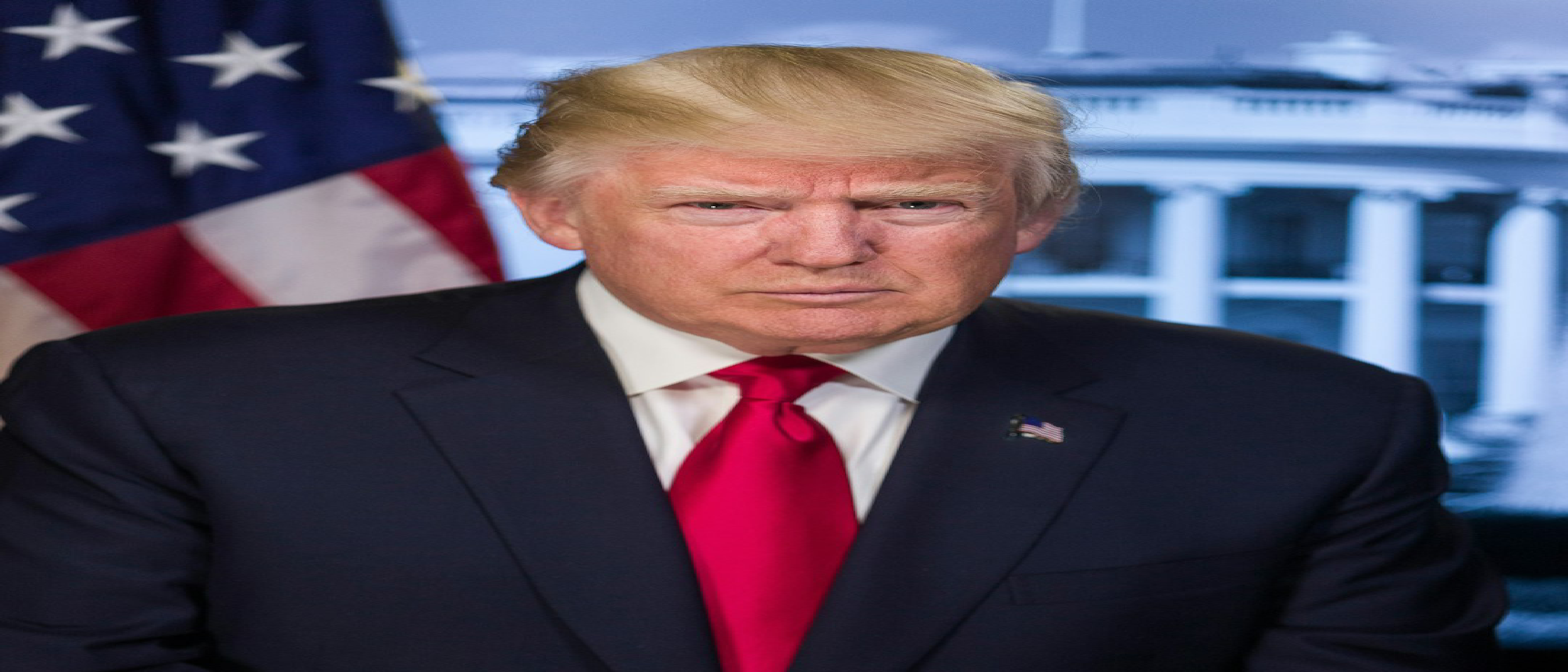
The recent news of the Trump administration’s crackdown on Anthropic, a leading AI lab, has sent shockwaves throughout the tech industry. The administration’s decision to force Anthropic to take its two newest AI models offline has sparked a heated debate about AI policy and digital sovereignty. In this article, we will delve into the details of the crackdown, its implications for the broader AI ecosystem, and the potential beneficiaries of this move.
Background on Anthropic and its AI Models
Anthropic is a prominent player in the AI research and development space, known for its cutting-edge AI models. The company’s two newest models, Fable 5 and Mythos 5, were designed to push the boundaries of AI capabilities. Fable 5 was available to the public, while Mythos 5 was reserved for current Mythos users. However, the Trump administration’s export control order has forced Anthropic to pull these models offline, citing national security concerns.
The Trump Administration’s Motivations
The Trump administration’s motivations behind the crackdown on Anthropic are not entirely clear. However, it is reported that the White House was tipped off to the potential risks of Anthropic’s AI models by Amazon researchers, who allegedly found a way to bypass Fable 5’s guardrails. This discovery led to a chain of events that ultimately resulted in the administration’s decision to take action against Anthropic.
Implications for the Broader AI Ecosystem
The Trump administration’s crackdown on Anthropic has significant implications for the broader AI ecosystem. The move has sparked concerns about the potential risks and benefits of AI development, as well as the role of government regulation in the industry.
Potential Risks and Benefits of AI Development
The development of advanced AI models like Fable 5 and Mythos 5 has the potential to bring about numerous benefits, including improved efficiency, enhanced decision-making, and increased productivity. However, these models also pose significant risks, such as the potential for job displacement, biased decision-making, and cybersecurity threats.
The Role of Government Regulation in the AI Industry
The Trump administration’s crackdown on Anthropic highlights the importance of government regulation in the AI industry. As AI models become increasingly sophisticated, it is essential to establish clear guidelines and regulations to ensure that these models are developed and deployed responsibly.
Potential Beneficiaries of the Crackdown
The Trump administration’s crackdown on Anthropic may have significant implications for other players in the AI industry. Some potential beneficiaries of this move include:
- Competitors of Anthropic: The crackdown on Anthropic may create opportunities for other AI labs and companies to fill the void left by Anthropic’s offline models.
- Cybersecurity companies: The increased focus on AI security and regulation may lead to increased demand for cybersecurity services and solutions.
- Government agencies: The Trump administration’s crackdown on Anthropic may demonstrate the government’s commitment to regulating the AI industry, which could lead to increased funding and resources for government agencies involved in AI research and development.
Analysis of the Situation
The situation surrounding the Trump administration’s crackdown on Anthropic is complex and multifaceted. Some key points to consider include:
- Lack of transparency: The Trump administration’s decision to force Anthropic to pull its models offline was made without providing clear details about the national security concerns that prompted the move.
- Potential for over-regulation: The crackdown on Anthropic may be seen as an example of over-regulation, which could stifle innovation and hinder the development of AI models.
- Impact on the AI community: The move may have a chilling effect on the AI community, with some researchers and developers potentially becoming more cautious about pursuing AI research and development.
Key Players Involved
Some key players involved in the situation include:
- Anthropic: The AI lab at the center of the controversy, Anthropic is a prominent player in the AI research and development space.
- The Trump administration: The administration’s decision to force Anthropic to pull its models offline has sparked a heated debate about AI policy and regulation.
- Amazon: The company’s researchers allegedly found a way to bypass Fable 5’s guardrails, which led to the Trump administration’s crackdown on Anthropic.
- Cybersecurity experts: Leading cybersecurity experts have signed an open letter to the Trump administration, expressing concerns about the potential risks of pulling advanced AI models offline.
FAQ
Some frequently asked questions about the Trump administration’s crackdown on Anthropic include:
- Q: What prompted the Trump administration’s crackdown on Anthropic? A: The Trump administration’s decision to force Anthropic to pull its models offline was reportedly prompted by concerns about national security, which were raised by Amazon researchers who allegedly found a way to bypass Fable 5’s guardrails.
- Q: What are the implications of the crackdown for the broader AI ecosystem? A: The crackdown on Anthropic has significant implications for the broader AI ecosystem, including the potential for over-regulation, the impact on the AI community, and the potential beneficiaries of the move.
- Q: Who are the potential beneficiaries of the crackdown? A: Some potential beneficiaries of the crackdown include competitors of Anthropic, cybersecurity companies, and government agencies involved in AI research and development.
- Q: What is the potential impact on the AI community? A: The move may have a chilling effect on the AI community, with some researchers and developers potentially becoming more cautious about pursuing AI research and development.
Conclusion
The Trump administration’s crackdown on Anthropic is a complex and multifaceted issue, with significant implications for the broader AI ecosystem. As the situation continues to unfold, it is essential to consider the potential risks and benefits of AI development, the role of government regulation in the industry, and the potential beneficiaries of the crackdown. By examining these factors and considering the perspectives of key players involved, we can gain a deeper understanding of the situation and its potential impact on the future of AI research and development.
Future Directions
As the AI industry continues to evolve, it is essential to establish clear guidelines and regulations to ensure that AI models are developed and deployed responsibly. Some potential future directions for the industry include:
- Increased focus on AI security: The crackdown on Anthropic highlights the importance of AI security and the need for increased investment in this area.
- Development of more transparent AI models: The lack of transparency surrounding the Trump administration’s decision to force Anthropic to pull its models offline has sparked concerns about the need for more transparent AI models.
- Greater collaboration between industry and government: The situation surrounding the crackdown on Anthropic demonstrates the need for greater collaboration between industry and government to establish clear guidelines and regulations for the AI industry.
By considering these future directions and working together to establish clear guidelines and regulations, we can ensure that the AI industry continues to evolve in a responsible and sustainable manner.
Final Thoughts
The Trump administration’s crackdown on Anthropic is a significant development in the AI industry, with far-reaching implications for the broader ecosystem. As we move forward, it is essential to consider the potential risks and benefits of AI development, the role of government regulation in the industry, and the potential beneficiaries of the crackdown. By examining these factors and considering the perspectives of key players involved, we can gain a deeper understanding of the situation and its potential impact on the future of AI research and development.