

The Unstoppable Rise of Gaming Hardware Costs
The gaming industry is undergoing a seismic shift—one that’s hitting gamers right in the wallet. From next-gen consoles to high-end PC components, the cost of gaming hardware is climbing at an alarming rate. The culprit? A perfect storm of global supply chain disruptions, inflation, and a persistent RAM shortage that’s reshaping the economics of gaming. Valve’s delayed Steam Machine is just the latest casualty in this trend, signaling that the era of affordable gaming hardware may be coming to an end.
In this deep dive, we’ll explore:
- The root causes of rising gaming hardware costs
- How the RAM shortage is crippling innovation
- The impact on consoles, PCs, and handheld devices
- What this means for the future of gaming
- Whether there’s any hope for relief
The Global RAM Shortage: A Crisis Decades in the Making
What Caused the RAM Shortage?
The global RAM shortage isn’t a sudden phenomenon—it’s the result of years of market dynamics, geopolitical tensions, and technological evolution. Here’s a breakdown of the key factors:
1. Supply Chain Disruptions
- The COVID-19 pandemic wreaked havoc on semiconductor manufacturing, particularly in Taiwan and South Korea, where the majority of RAM production is concentrated.
- Factory shutdowns, labor shortages, and logistical bottlenecks created a domino effect, delaying production and driving up costs.
2. Increased Demand for Memory-Intensive Applications
- Modern games are more demanding than ever, requiring higher RAM capacities for smooth performance.
- Beyond gaming, industries like AI, cloud computing, and data centers are competing for the same memory chips, further straining supply.
3. Geopolitical Tensions and Trade Restrictions
- The U.S.-China trade war led to restrictions on semiconductor exports, limiting access to critical components.
- China’s push for self-sufficiency in chip manufacturing has led to stockpiling, reducing available supply for global markets.
4. Consolidation in the Semiconductor Industry
- A handful of companies (Samsung, SK Hynix, Micron) dominate RAM production, making the market highly susceptible to price manipulation.
- When demand outstrips supply, these companies can artificially inflate prices, knowing buyers have few alternatives.
How the RAM Shortage Is Impacting Gaming Hardware
The RAM shortage isn’t just a problem for PC builders—it’s reshaping the entire gaming hardware landscape. Here’s how:
1. Console Price Hikes
- PlayStation 5 and Xbox Series X|S launched at higher price points than their predecessors, partly due to increased component costs.
- Sony and Microsoft have absorbed some of these costs, but future price hikes seem inevitable as RAM prices remain volatile.
2. PC Component Inflation
- Graphics cards, motherboards, and SSDs have all seen price increases, but RAM has been hit the hardest.
- A 16GB DDR4 kit that cost $60 in 2020 now retails for $100+, a 66% increase in just four years.
3. The Death of Affordable Handhelds
- The Steam Deck was a rare bright spot in the handheld market, offering PC-level performance at a reasonable price.
- However, Valve’s delay of the Steam Machine—cited as a direct result of the RAM shortage—hints at trouble ahead.
- Competitors like the ROG Ally and Lenovo Legion Go have already seen price increases, making handheld gaming less accessible.
The Steam Machine Delay: A Canary in the Coal Mine?
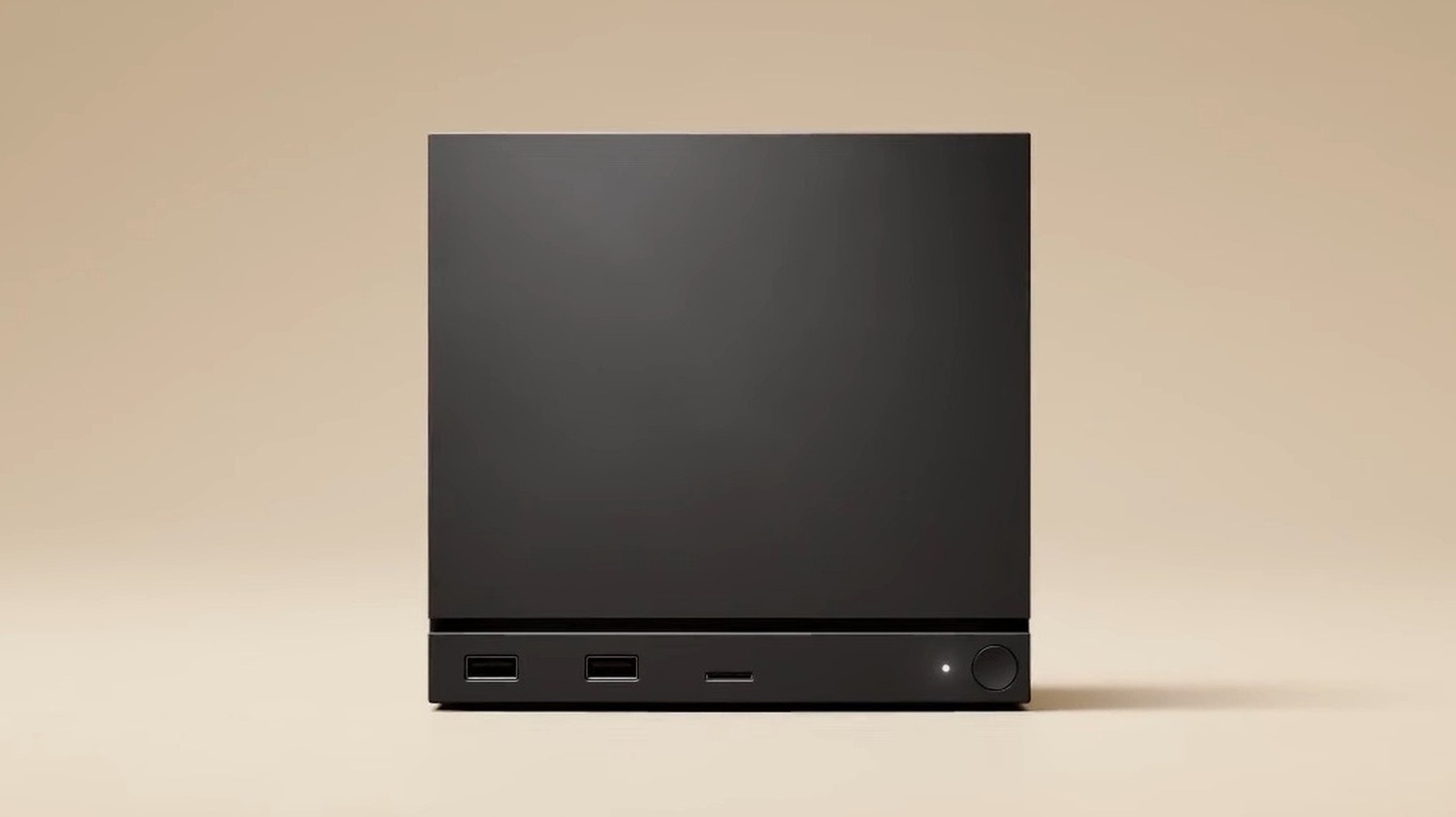
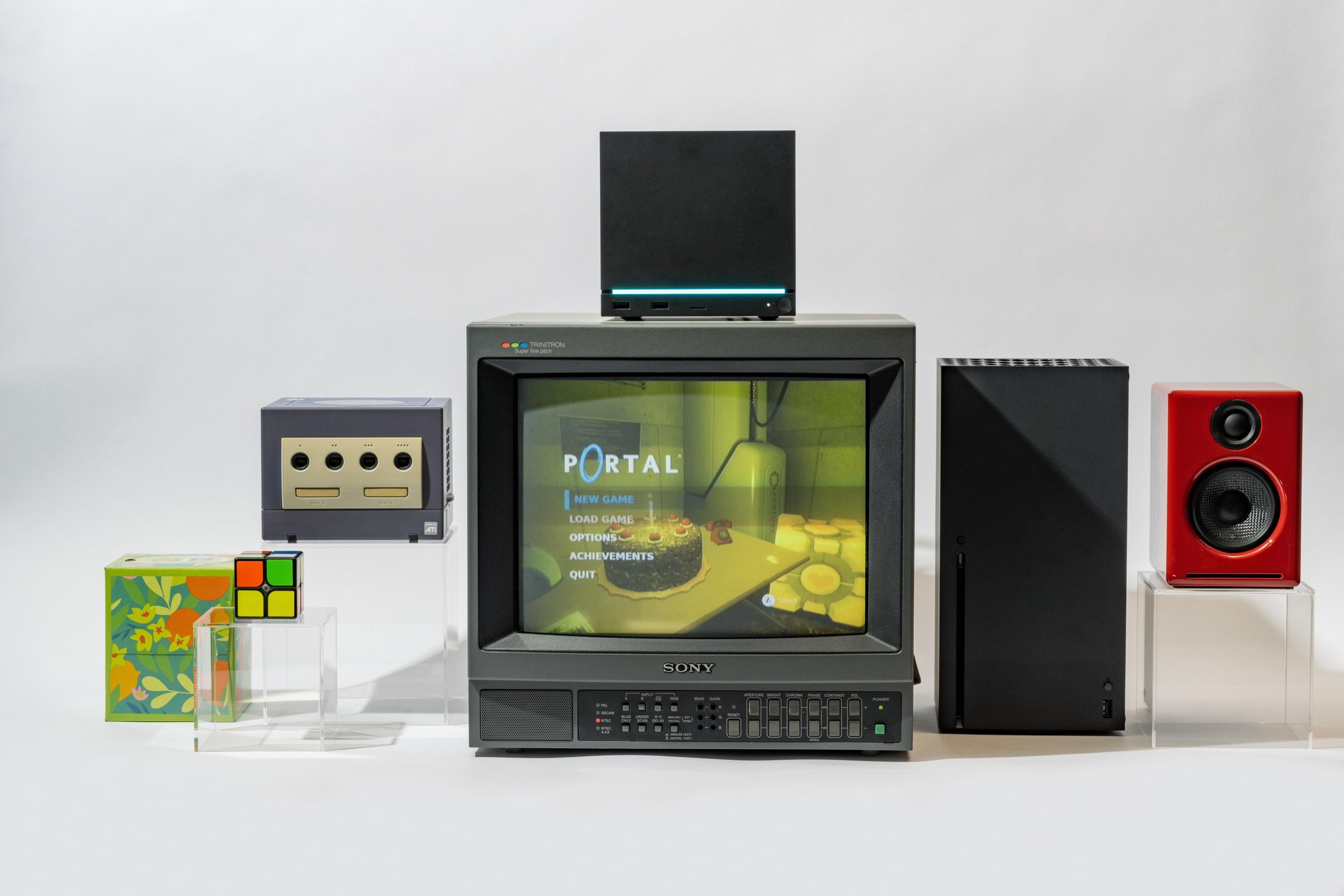
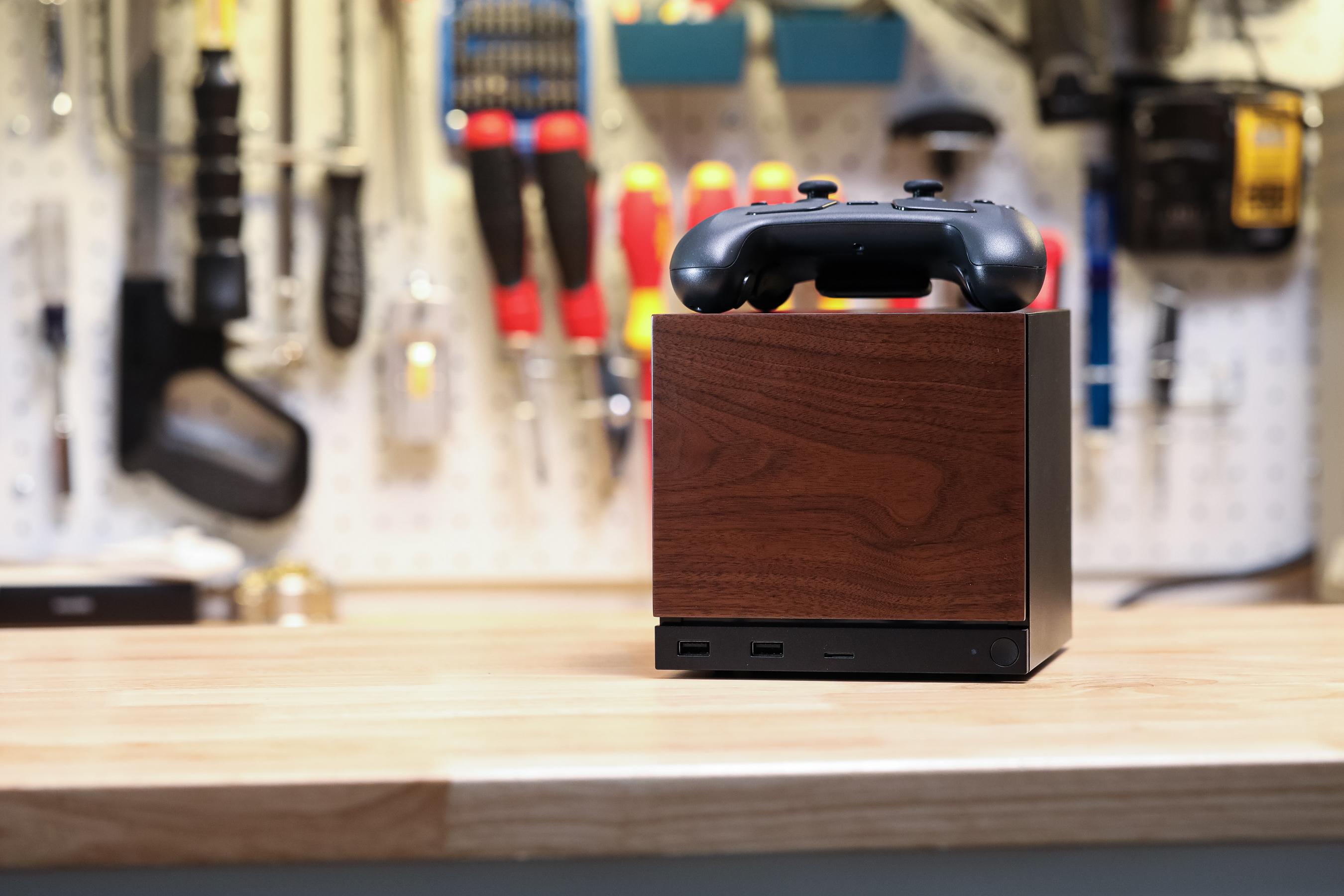
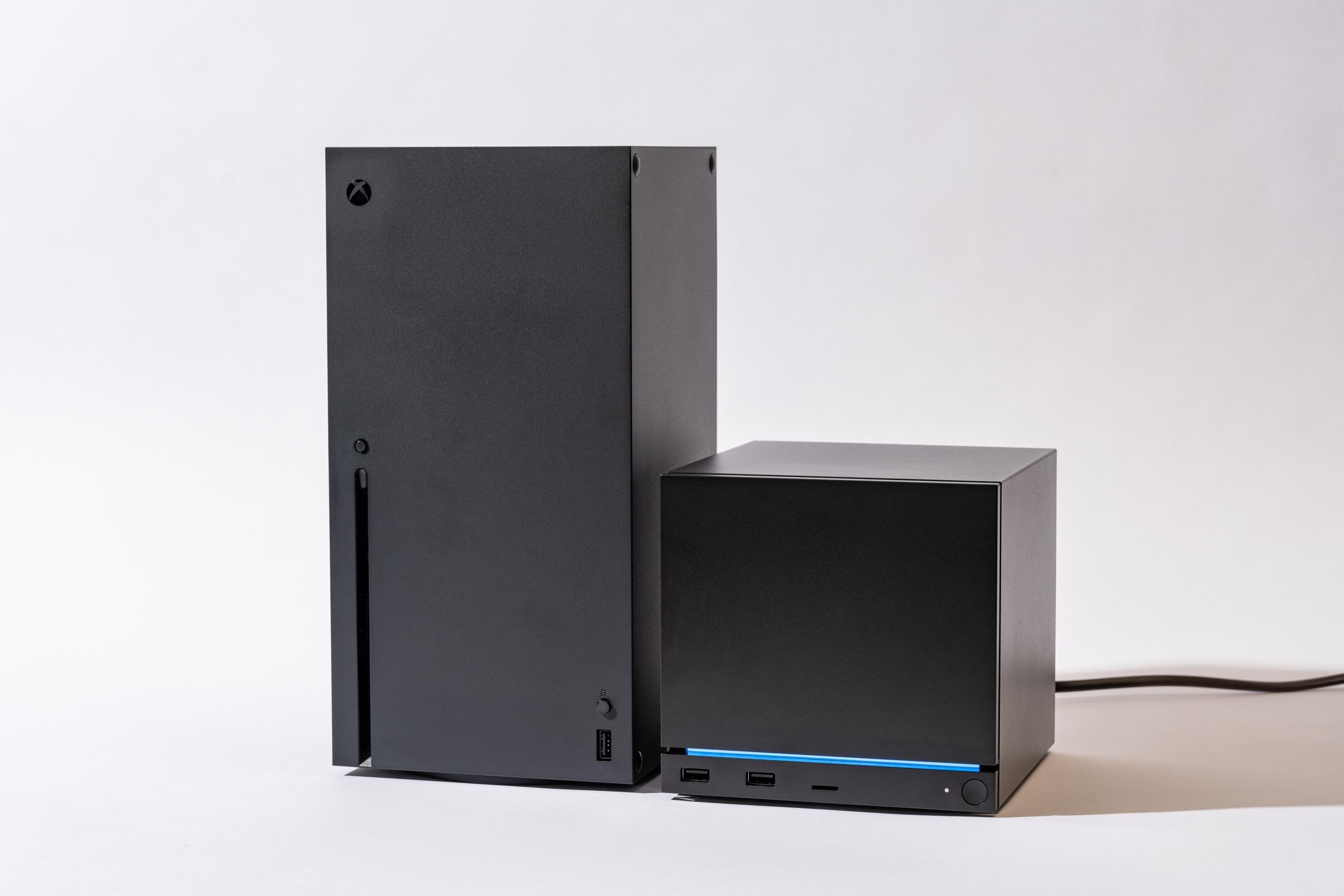
Valve’s Steam Machine was supposed to be the next big thing in living room gaming—a modular, open-platform console that could rival the PlayStation and Xbox. But in February 2026, Valve announced a delay, citing the global memory crisis as the primary reason.
Why the Steam Machine’s Delay Matters
1. It Signals a Broader Industry Problem
- If Valve—a company with deep pockets and industry influence—is struggling to secure RAM, smaller manufacturers are in even worse shape.
- This could lead to fewer competitors in the console and handheld markets, reducing innovation and driving up prices.
2. The End of the “Affordable Console” Era?
- Historically, consoles have been loss leaders, with manufacturers selling hardware at a loss to lock in software sales.
- But with component costs rising, companies may no longer be able to afford this strategy.
- Future consoles could launch at $600+, pricing out casual gamers.
3. The Rise of Proprietary Hardware
- If RAM shortages persist, companies may lock down hardware to control costs.
- This could mean fewer upgradeable components, more digital-only ecosystems, and less consumer choice.
The Future of Gaming Hardware: What’s Next?
1. More Expensive Consoles and Handhelds
- The next-gen PlayStation and Xbox (expected in 2027-2028) will likely launch at $600-$700, with premium models exceeding $800.
- Handhelds like the Steam Deck 2 may see $50-$100 price increases, making them less appealing to budget-conscious gamers.
2. A Shift Toward Cloud Gaming?
- If hardware becomes too expensive, cloud gaming services (like Xbox Cloud, GeForce Now, and Amazon Luna) could gain traction.
- However, latency issues, data caps, and subscription costs remain barriers to widespread adoption.
3. The Return of Modular PCs?
- With RAM prices so high, modular PCs (like Framework’s upgradeable laptops) could see a resurgence.
- Gamers may prioritize upgradeability over pre-built systems to future-proof their investments.
4. The Decline of Budget Gaming PCs
- The $500-$700 gaming PC may soon be a relic of the past.
- Entry-level builds could start at $900+, pushing more gamers toward consoles or cloud gaming.
Can Anything Be Done to Lower Costs?
Short-Term Solutions
- Government subsidies for semiconductor manufacturing (like the CHIPS Act in the U.S.) could help stabilize supply.
- Recycling and refurbishing old hardware could reduce demand for new components.
- More efficient game development (optimizing RAM usage) could lessen the strain on hardware.
Long-Term Fixes
- Investment in alternative memory technologies (like HBM or MRAM) could reduce reliance on traditional RAM.
- Decentralized manufacturing (spreading production beyond Asia) could mitigate geopolitical risks.
- Open-source hardware initiatives (like RISC-V) could break the monopoly of a few semiconductor giants.
FAQ: Your Burning Questions Answered
1. Why is RAM so expensive right now?
The RAM shortage is driven by supply chain disruptions, increased demand from AI/data centers, geopolitical tensions, and industry consolidation. These factors have created a perfect storm of high prices and limited availability.
2. Will console prices ever go back down?
Unlikely. Inflation, component costs, and corporate profit margins make it improbable that consoles will return to $300-$400 price points. Future consoles will likely start at $600+.
3. Is the Steam Deck still worth buying in 2026?
Yes, but with caveats. The Steam Deck OLED remains a great value for portable PC gaming, but RAM shortages could limit future upgrades. If you’re on a budget, consider refurbished models or older versions.
4. How can I save money on gaming hardware?
- Buy used/refurbished (eBay, Facebook Marketplace, local PC shops).
- Wait for sales (Black Friday, Prime Day, holiday promotions).
- Build a modular PC (prioritize upgradeable components like RAM and GPUs).
- Consider cloud gaming (if you have a stable, low-latency internet connection).
5. Will the RAM shortage ever end?
Possibly, but not soon. New semiconductor fabs (like TSMC’s Arizona plant) are being built, but production won’t ramp up until 2027-2028. Even then, demand from AI and data centers could keep prices elevated.
6. Are there any alternatives to traditional RAM?
Emerging technologies like High Bandwidth Memory (HBM) and Magnetoresistive RAM (MRAM) could eventually replace DDR4/DDR5, but adoption is still years away.
7. How is this affecting game development?
Developers are optimizing games for lower RAM usage, but open-world and AAA titles still require 16GB+. This could lead to fewer ambitious projects or higher system requirements.
The Bottom Line: Gaming’s Expensive Future
The RAM shortage is more than just a temporary blip—it’s a fundamental shift in the economics of gaming hardware. From consoles to PCs to handhelds, every segment of the market is feeling the squeeze. Valve’s Steam Machine delay is just the latest warning sign that affordable gaming hardware may be a thing of the past.
For gamers, this means: ✅ Higher upfront costs for new hardware. ✅ Fewer budget-friendly options. ✅ More reliance on cloud gaming or older hardware.
The question isn’t if gaming will get more expensive—it’s how much more gamers will have to pay to keep playing.
What do you think? Are you holding off on upgrades due to high costs? Will cloud gaming become the norm? Let us know in the comments!