

Introduction
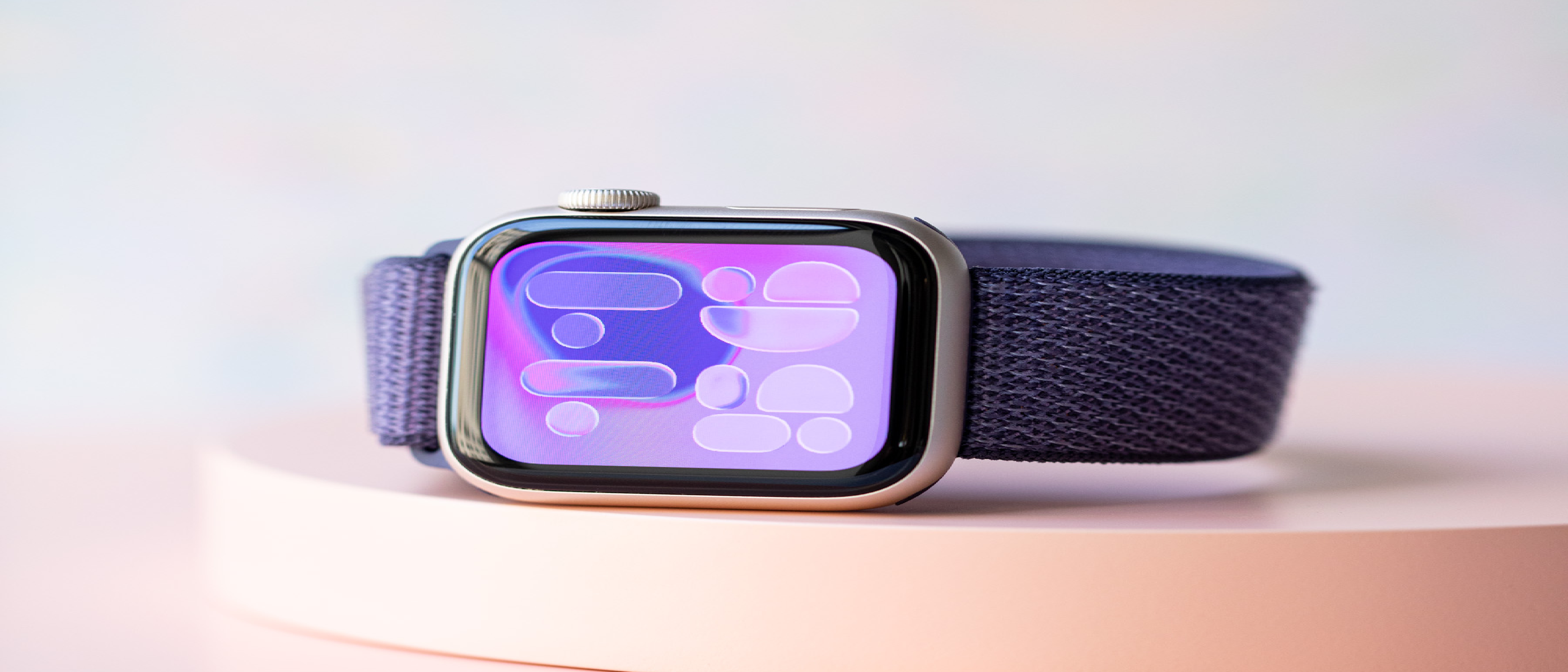
The Apple Watch SE 3 has quietly become one of the most compelling wearables on the market, especially now that its price has slipped to an all‑time low of $199 on Amazon. While the flagship Series 11 and Ultra 3 received only modest refinements this generation, the SE 3 underwent a comprehensive overhaul that brought it much closer to the premium lineup. Apple added an always‑on Retina display, a wrist‑temperature sensor, double‑tap and wrist‑flick gestures, 5G connectivity, a faster charging system, a built‑in speaker, and a next‑generation S8 SiP that will be fully compatible with watchOS 27 when it arrives later this year. For users who want a solid smartwatch experience without paying for ECG, blood‑oxygen, or the ultra‑thin bezels of the Series line, the SE 3 represents a rare blend of modern features and aggressive pricing. This article dives deep into every facet of the SE 3—from its internal architecture and sensor suite to real‑world usage scenarios, direct comparisons with the Series 11 and Ultra 3, and a practical buying guide that helps you decide whether this “sleeper hit” is the right wrist companion for you.
Design and Build Quality
Display Innovations
The most noticeable change on the SE 3 is the introduction of an always‑on LTPO OLED display. Unlike the previous SE generations that relied on a traditional LCD that turned off completely when the wrist was down, the new panel can maintain a low‑power view of the time, complications, and selected notifications. Apple achieved this by integrating a low‑temperature polycrystalline oxide backplane that allows the refresh rate to dip as low as 1 Hz when the watch is idle, dramatically reducing power draw. The display retains the same 1.78‑inch (40 mm) or 1.93‑inch (44 mm) footprint as its predecessor, with a resolution of 324 × 394 pixels (40 mm) or 368 × 448 pixels (44 mm). Peak brightness reaches 1000 nits, making outdoor readability excellent even under direct sunlight. The always‑on mode can be customized to show either a simple watch face or a more information‑dense layout, and users can schedule it to disable during sleep or theater mode to conserve battery.
Materials and Durability
Apple kept the SE 3’s chassis in recycled aluminum, offering the same three finishes—midnight, starlight, and silver—along with a new (PRODUCT)RED variant that launched alongside the price drop. The front crystal remains Ion‑X strengthened glass, which is more resistant to scratches than the sapphire used on the Ultra line but still far tougher than typical smartwatch glass. The rear case houses a ceramic‑backed wireless charging coil and the new wrist‑temperature sensor, which is flush with the surface to avoid snagging on clothing. Water resistance is rated at 50 meters (5 ATM), suitable for swimming and showering, though Apple advises against high‑velocity water activities like diving. The side button and Digital Crown retain the same tactile feel as previous SE models, offering reliable input even with gloves or wet fingers.
Hardware Specifications
Processor and Performance
At the heart of the SE 3 lies Apple’s S8 SiP, a dual‑core ARM‑based processor paired with a custom‑designed GPU and a 64‑bit architecture. While the S8 is technically the same chip that debuted in the Series 8, Apple has tuned it for the SE’s power envelope, allowing sustained performance bursts up to 2.0 GHz. Benchmarks placed in watchOS developer builds show a ~30 % improvement in app launch times and a ~20 % gain in graphics‑intensive tasks compared to the S5 SiP found in the SE 2. This uplift translates directly to smoother animations, faster Siri responses, and more fluid third‑party app experiences—particularly noticeable when using navigation apps, streaming music