

The Genesis of the iPhone Ultra Strategy
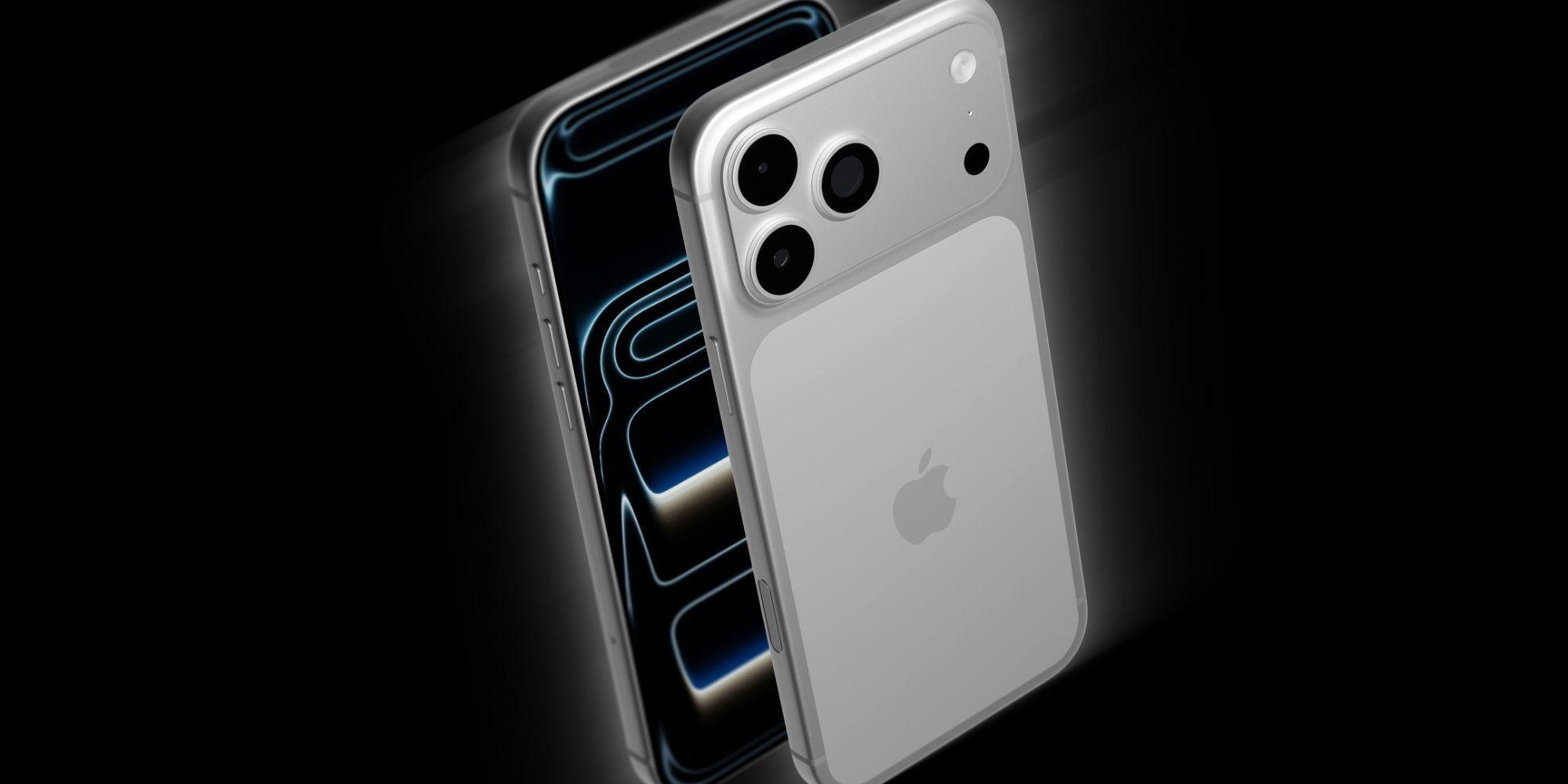
For years, Apple has mastered the art of the “tiered” product lineup. We have seen this evolution with the iPad (Pro, Air, mini) and the Apple Watch (Ultra, Series, SE). The current iPhone strategy follows a similar path with the standard and Pro models. However, the industry has been buzzing with rumors of a new tier: the iPhone Ultra. This isn’t just another incremental update; it is a strategic pivot toward a “luxury” hardware segment designed to capture the ultra-high-net-worth market and the power-user demographic.
The concept of an “Ultra” iPhone represents a shift from “Pro” (which implies productivity) to “Ultra” (which implies absolute peak performance and exclusivity). While the Pro Max currently serves as the ceiling for most consumers, the Ultra is envisioned as a device that pushes the boundaries of materials science, battery density, and optical engineering.
Engineering the Ultra: Technical Specifications and Innovations
To justify a price point that would likely exceed the current Pro Max, Apple cannot simply add a faster chip. The iPhone Ultra must introduce hardware that feels generational. Based on supply chain leaks and industrial design trends, we can analyze the technical pillars that will likely define this device.
Advanced Materials and Chassis Construction
The transition from stainless steel to titanium in recent generations was a significant step, but the iPhone Ultra is expected to push further. We are looking at the potential integration of Grade 5 Titanium alloys or even ceramic-metal composites that offer higher rigidity with lower weight.
- Thermal Management: One of the biggest hurdles for high-performance mobile chips is thermal throttling. The Ultra may introduce a vapor chamber cooling system, similar to those found in high-end gaming phones, to maintain peak performance during intensive tasks like 8K video rendering or AAA gaming.
- Durability: We expect a move toward sapphire crystal across the entire front and back, significantly reducing the risk of scratches and cracks compared to current Ceramic Shield technology.
- Industrial Design: Rumors suggest a more angular, rugged aesthetic, echoing the design language of the Apple Watch Ultra, making it a tool for both the boardroom and the backcountry.
The Display: Beyond the Current OLED Standard
The display is the primary interface of the smartphone, and the Ultra will likely debut a new generation of LTPO (Low-Temperature Polycrystalline Oxide) panels.
- Brightness Peaks: We expect peak brightness to exceed 3,000 nits, ensuring perfect visibility in direct sunlight.
- Variable Refresh Rates: While ProMotion currently handles 1Hz to 120Hz, the Ultra could potentially push to 144Hz or higher for ultra-smooth animations and gaming.
- Under-Display Technology: The “Holy Grail” for Apple is the removal of the Dynamic Island. The Ultra may be the first device to feature under-display Face ID and camera sensors, providing a truly edge-to-edge viewing experience.
The Silicon Powerhouse: A Specialized A-Series Chip
While the standard Pro models will use the latest A-series chip, the Ultra may feature a “binned” version of the silicon—meaning only the highest-quality wafers that can hit higher clock speeds without overheating will be used for the Ultra.
- Neural Engine Enhancements: With the explosion of on-device AI, the Ultra will likely feature a significantly larger Neural Engine to handle complex Large Language Models (LLMs) locally, reducing reliance on the cloud.
- RAM Expansion: To support these AI workloads, we expect a jump to 16GB or even 24GB of LPDDR5X RAM, allowing for unprecedented multitasking and memory-intensive professional workflows.
The Optical Revolution: A New Era of Mobile Photography
The camera system is where the “Ultra” moniker will be most evident. While the Pro models have three lenses, the Ultra is rumored to expand this array to provide professional-grade versatility.
The Periscope Zoom Evolution
The current tetraprism zoom is impressive, but the Ultra could introduce a dual-periscope system. This would allow for:
- Optical Zoom range: A seamless transition from 3x to 10x optical zoom without digital cropping.
- Larger Sensors: The use of a 1-inch type sensor for the main camera, which would allow for natural bokeh and vastly superior low-light performance.
Computational Photography and AI Integration
Hardware is only half the battle. The iPhone Ultra will leverage its superior processing power to implement real-time computational photography that was previously reserved for desktop software. We are talking about real-time RAW processing and AI-driven noise reduction that happens at the hardware level before the image is even saved to the gallery.
Battery Life and Power Management
One of the most requested features from power users is battery longevity. The iPhone Ultra is the perfect vehicle for Apple to experiment with new battery chemistries.
Silicon-Carbon Batteries
Standard Lithium-ion batteries are reaching their physical limits. Silicon-carbon batteries offer higher energy density, meaning Apple could fit a significantly larger capacity into the same footprint. This could potentially push the iPhone Ultra to a two-day battery life even under heavy usage.
Charging Infrastructure
To complement the larger battery, the Ultra may introduce faster charging speeds. While Apple has been conservative with charging speeds to preserve battery health, the Ultra could move toward 45W or 60W wired charging, significantly reducing the time spent tethered to a wall.
Market Positioning and the “Luxury” Psychology
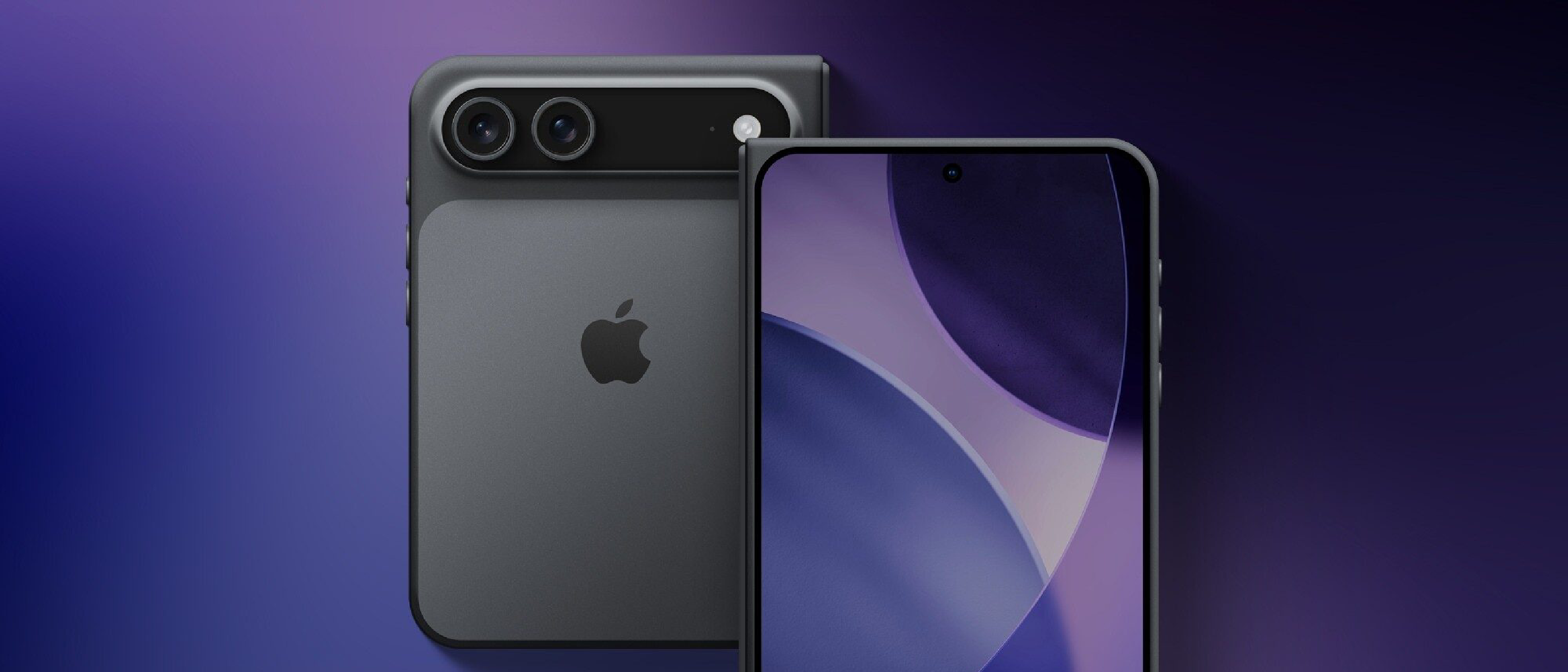
Apple is not just selling a phone; they are selling a status symbol. The iPhone Ultra is a move to compete with the luxury market and the high-end foldable segment without actually adopting the foldable form factor (which Apple is reportedly still perfecting).
The Pricing Strategy
The pricing for the Ultra will likely be positioned significantly above the Pro Max. This creates a new “ceiling” for the product line, making the Pro Max feel more “attainable” while the Ultra remains an aspirational product. This “halo effect” elevates the entire brand image.
Target Demographics
- The Creative Professional: Videographers and photographers who need the best possible hardware for field work.
- The Tech Enthusiast: Users who demand the absolute peak of current technology regardless of cost.
- The Luxury Consumer: Individuals who view their devices as fashion statements and status symbols.
Comparison: iPhone Pro Max vs. iPhone Ultra
| Feature | iPhone Pro Max | iPhone Ultra (Predicted) |
|---|---|---|
| Chassis | Titanium | Grade 5 Titanium / Ceramic Composite |
| Display | Dynamic Island / 120Hz | Under-Display Sensors / 144Hz |
| RAM | 8GB - 12GB | 16GB - 24GB |
| Camera | Triple Lens / 5x Zoom | Quad Lens / 10x Optical Zoom |
| Battery | Standard Li-ion | Silicon-Carbon High Density |
| Cooling | Graphite Sheets | Vapor Chamber Cooling |
Potential Challenges and Risks
No product launch is without risk. Apple faces several hurdles in bringing the iPhone Ultra to market.
The “Diminishing Returns” Problem
The biggest risk is that the average consumer may not perceive a significant enough difference between the Pro Max and the Ultra to justify a massive price jump. If the improvements are purely incremental, the Ultra could become a niche product with low volume.
Thermal Constraints
As we push clock speeds and sensor sizes, heat becomes the enemy. If Apple cannot solve the thermal issues with a vapor chamber, the “Ultra” chip will throttle, meaning the performance gap between the Pro and Ultra will vanish during sustained workloads.
Supply Chain Volatility
Sourcing Grade 5 Titanium and high-density silicon-carbon batteries at scale is a logistical nightmare. Any delay in the supply chain could lead to launch delays, which can dampen the initial hype and impact quarterly earnings.
The Ecosystem Synergy: How the Ultra Fits In
The iPhone Ultra won’t exist in a vacuum. It will act as the hub for the rest of the Apple ecosystem.
- Vision Pro Integration: The Ultra could serve as the primary compute engine for the Vision Pro, offloading some of the processing via a high-speed wireless link.
- Apple Watch Ultra Synergy: The design language and “rugged” branding will create a cohesive “Ultra Ecosystem” for users who want the most durable and powerful versions of every Apple device.
FAQ: Everything You Need to Know About the iPhone Ultra
When will the iPhone Ultra be released?
While rumors suggest a September launch, Apple typically tests these high-end tiers for several cycles. It is likely to debut as a flagship addition to the annual autumn lineup.
Will the iPhone Ultra replace the Pro Max?
No. The Pro Max will likely remain the standard high-end option, while the Ultra will sit above it as a luxury tier.
Will it have a foldable screen?
Current leaks suggest the Ultra will be a traditional “slab” phone but with superior materials and specs. Foldables are expected to be a separate product line entirely.
Will the iPhone Ultra be waterproof?
Yes, and likely more so than the Pro models. We expect an upgraded IP rating (perhaps IP69) to handle higher pressure and temperature water resistance.
Will it support 6G?
While 6G is still in development, the Ultra will likely be the first to feature the most advanced 5G-Advanced (5.5G) modems for maximum throughput.
Final Analysis: A Bold Step Forward
The iPhone Ultra represents more than just a hardware upgrade; it is a strategic maneuver to redefine the premium smartphone experience. By pushing the boundaries of materials, battery technology, and optical engineering, Apple is ensuring that it remains the gold standard in a market that is increasingly saturated.
For the professional user, the Ultra offers a tool that can actually replace some of their dedicated gear. For the luxury consumer, it offers exclusivity. For Apple, it offers a way to increase Average Selling Prices (ASP) and maintain its image as the world’s most innovative consumer electronics company. Whether the Ultra becomes a mass-market success or a niche luxury item, its existence pushes the rest of the industry to innovate. The “Ultra” era is not just about specs—it’s about the pursuit of perfection in mobile computing.