







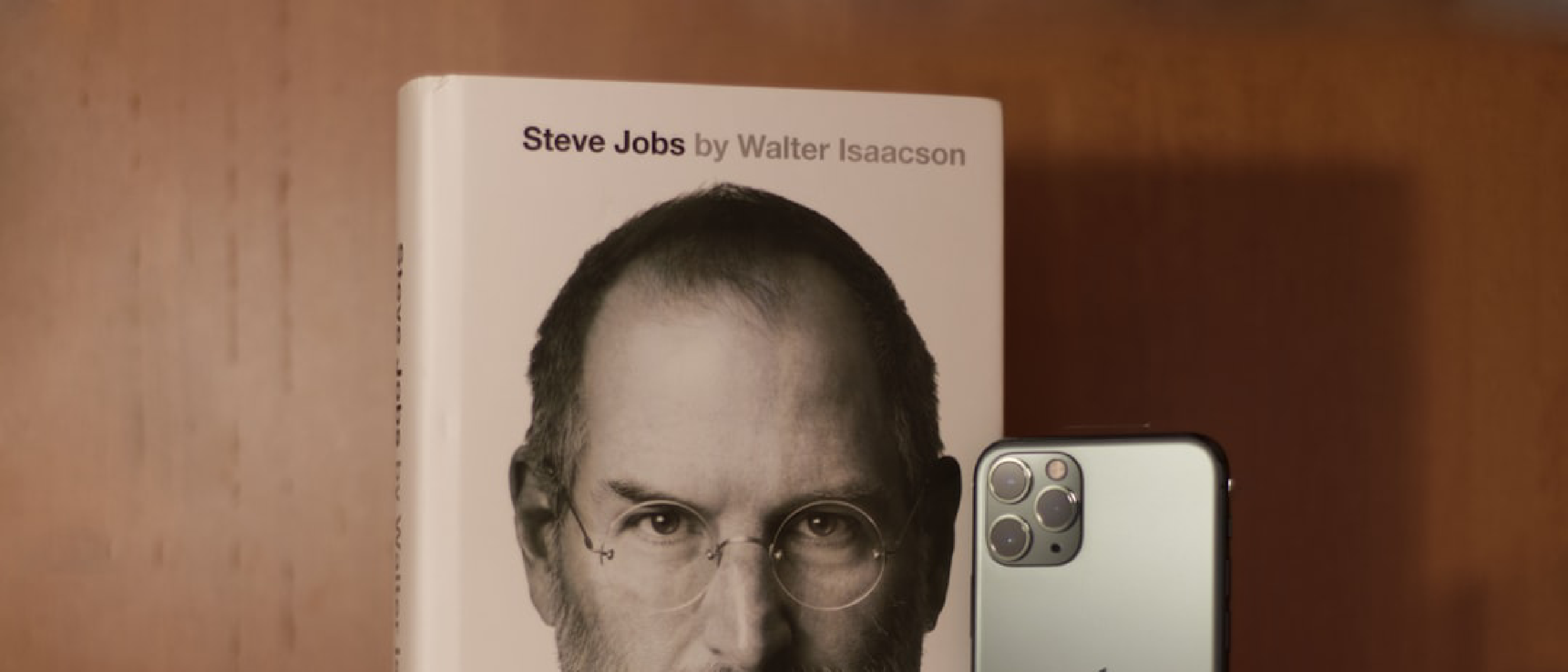
The Steve Jobs Ethos: Why Apple TV Shunned Library Buys
When Eddy Cue, Apple’s senior vice president of services and health, recently reflected on Apple TV’s origins, he didn’t just reminisce—he revealed a fundamental principle that has guided Apple’s streaming strategy from day one. That principle? “If we’re putting our name on it, we have to help create it.” This philosophy, deeply rooted in Steve Jobs’ vision, explains why Apple TV launched with just a handful of original shows rather than acquiring an existing content library like Warner Bros. or NBCUniversal.
But why did Apple take this path? And how has it shaped the streaming wars we see today? Let’s break it down.
The Jobsian Approach to Content: Quality Over Quantity
Steve Jobs was never one to follow the crowd. His approach to business was defined by a relentless pursuit of perfection, a disdain for mediocrity, and an unwavering belief in Apple’s ability to redefine industries. When it came to Apple TV, Jobs’ influence was unmistakable.
- Control Over Creativity: Jobs believed that true innovation came from control—control over hardware, software, and, in this case, content. By producing original shows, Apple could ensure that every aspect of the viewing experience aligned with its brand.
- Brand Integrity: Apple’s reputation is built on curation and exclusivity. Slapping its name on a pre-existing library of content would have diluted that brand equity. Jobs would have seen this as a shortcut—one that Apple doesn’t take.
- Long-Term Vision: Jobs was a master of playing the long game. While competitors like Netflix and Amazon were amassing vast libraries of licensed content, Apple was laying the groundwork for a future where it could dictate the terms of the streaming industry.
Cue’s comments underscore this philosophy. “We’ve always felt like if we were putting our name on it, it was kind of weird we were going to put our name on something we didn’t help create,” he told Variety. This isn’t just corporate speak—it’s a direct reflection of Jobs’ ethos.
The Warner Bros. Rumors: Why Apple Said No
For years, rumors swirled that Apple was in talks to acquire Warner Bros. as a way to fast-track its streaming ambitions. After all, Warner Bros. owned a treasure trove of content, from Harry Potter to Friends to Game of Thrones. Buying the studio would have given Apple an instant library to rival Netflix.
But Apple walked away. Why?
- Cost vs. Value: Acquiring Warner Bros. would have been a multi-billion-dollar gamble. For a company that prides itself on financial discipline, this was a risky bet—especially when Apple could build its own library over time.
- Cultural Misfit: Warner Bros. was a traditional Hollywood studio with a legacy of blockbuster films and TV shows. Apple, on the other hand, was a tech company with a focus on innovation and disruption. The cultural clash would have been significant.
- Strategic Flexibility: By not acquiring a studio, Apple retained the flexibility to pivot its strategy as the streaming landscape evolved. Today, Apple TV is a hub for award-winning originals like Ted Lasso and Severance, proving that its approach was the right one.
The Launch of Apple TV+: A Bold Gamble
When Apple TV+ launched in November 2019, it did so with just five original shows:
- The Morning Show
- See
- For All Mankind
- Dickinson
- Snoopy in Space
Critics were skeptical. How could Apple compete with Netflix, which had thousands of titles at launch? But Apple wasn’t playing the same game. Instead of quantity, it focused on quality—and it paid off.
- Awards and Acclaim: Apple TV+ quickly became a critical darling, earning Emmy and Golden Globe nominations within its first year. Ted Lasso, which premiered in 2020, became a cultural phenomenon and won multiple Emmys.
- Exclusive Content: By producing its own shows, Apple could offer exclusives that no other platform had. This gave users a reason to subscribe—and stay subscribed.
- Brand Synergy: Apple’s original content aligns with its broader ecosystem. For example, For All Mankind explores an alternate history of the space race, tying into Apple’s interest in space and innovation.
The Streaming Wars: How Apple’s Strategy Stacks Up
The streaming wars are heating up, with every major tech and media company vying for dominance. Here’s how Apple’s strategy compares to its competitors:
| Company | Strategy | Strengths | Weaknesses |
|---|---|---|---|
| Apple | Original content, no library buys | High-quality exclusives, brand integrity | Limited back catalog, slower growth |
| Netflix | Massive library + originals | Huge content variety, global reach | High production costs, subscriber churn |
| Amazon | Library + originals + Prime bundling | Bundled value, global infrastructure | Inconsistent quality, cluttered UI |
| Disney | Franchise-driven originals + library | Strong IP, family-friendly content | Niche appeal, high competition |
| Warner Bros. | HBO Max + library + theatrical | Prestige content, Warner Bros. IP | Fragmented strategy, high costs |
Apple’s approach is unique. While competitors rely on a mix of licensed content and originals, Apple has doubled down on original programming. This strategy has its risks—subscriber growth has been slower than expected—but it also has significant advantages.
The Future of Apple TV: Sequels, Expansion, and Beyond
Eddy Cue’s recent hints about a sequel to F1: The Movie (the 2013 documentary 1: Life on the Limit) suggest that Apple is far from done with its original content push. Here’s what we can expect in the coming years:
- More Franchises: Apple is likely to expand its slate of originals, with a focus on building franchises that can span multiple seasons and spin-offs. Ted Lasso is a prime example of this strategy.
- International Expansion: Apple TV+ is already available in over 100 countries, but the company is likely to invest more in local-language content to attract global audiences.
- Sports and Live Events: Apple has already dipped its toes into live sports with Friday Night Baseball and MLS Season Pass. Expect more deals in this space, especially as traditional broadcasters struggle to keep up.
- Interactive Content: Apple has experimented with interactive storytelling (e.g., The Afterparty), and this could be a growth area as the company looks for new ways to engage viewers.
Why Steve Jobs Would Approve
Steve Jobs was a visionary, but he was also a pragmatist. He understood that Apple’s success was built on a foundation of innovation, quality, and brand integrity. Apple TV’s strategy—rejecting library buys in favor of original content—is a direct reflection of that philosophy.
- Innovation: By producing its own content, Apple is pushing the boundaries of what streaming can be. Shows like Severance and Foundation are not just entertainment—they’re experiences that leverage Apple’s technological prowess.
- Quality: Jobs famously said, “Quality is more important than quantity. One home run is much better than two doubles.” Apple TV’s focus on high-quality originals is a testament to this belief.
- Brand Integrity: Apple’s brand is built on trust and exclusivity. By putting its name on original content, it reinforces that trust and ensures that every show aligns with its values.
The Risks of Apple’s Strategy
While Apple’s approach has paid off in many ways, it’s not without risks.
- Subscriber Growth: Apple TV+ has grown steadily, but it still lags behind competitors like Netflix and Disney+. Without a vast library of licensed content, Apple may struggle to attract casual viewers.
- Production Costs: Producing high-quality originals is expensive. Apple has deep pockets, but even it can’t outspend Netflix indefinitely.
- Content Fatigue: As more streaming services enter the market, viewers may suffer from “subscription fatigue.” Apple’s focus on originals could backfire if users feel they’re not getting enough value for their money.
How Apple Can Mitigate These Risks
To address these challenges, Apple can take several steps:
- Expand the Library: While Apple has resisted buying a studio, it could acquire smaller, niche libraries to bolster its catalog. For example, it could purchase the rights to classic films or cult TV shows.
- Bundle with Other Services: Apple already bundles Apple TV+ with Apple Music and other services. It could expand these bundles to include third-party content, giving users more reasons to subscribe.
- Leverage the Apple Ecosystem: Apple TV+ is just one part of Apple’s broader ecosystem. By integrating it more deeply with Apple Music, Apple Arcade, and Apple Fitness+, the company can create a more compelling value proposition.
- Invest in AI and Personalization: Apple could use AI to personalize recommendations and create interactive content that keeps viewers engaged.
FAQ: Everything You Need to Know About Apple TV’s Strategy
1. Why didn’t Apple buy Warner Bros. or another studio?
Apple’s leadership, influenced by Steve Jobs’ ethos, believed that slapping its name on a pre-existing library would dilute its brand. Instead, Apple chose to build its own library from scratch, focusing on original content that aligns with its values.
2. How many original shows did Apple TV+ launch with?
Apple TV+ launched with just five original shows in November 2019: The Morning Show, See, For All Mankind, Dickinson, and Snoopy in Space.
3. Has Apple TV+ been successful?
Yes, but not in the way traditional streaming services measure success. While Apple TV+ has fewer subscribers than Netflix or Disney+, it has earned critical acclaim and awards for its original content. Shows like Ted Lasso and Severance have become cultural touchstones.
4. What are Apple’s plans for the future of Apple TV+?
Apple is likely to expand its slate of originals, invest in international content, and explore live sports and interactive storytelling. Eddy Cue’s hints about a sequel to F1: The Movie suggest that Apple is also interested in expanding its documentary offerings.
5. How does Apple TV+ compare to other streaming services?
Apple TV+ stands out for its focus on original content and high production values. Unlike competitors like Netflix and Amazon, which rely on a mix of licensed and original content, Apple has built its service entirely around exclusives. This strategy has its risks but also offers unique advantages, such as brand integrity and creative control.
6. Will Apple ever buy a content library?
It’s unlikely. Eddy Cue’s comments suggest that Apple is committed to its original content strategy. However, the company could acquire smaller, niche libraries to supplement its offerings without compromising its brand.
7. What role did Steve Jobs play in Apple TV’s strategy?
Steve Jobs’ influence is evident in Apple TV’s focus on quality, innovation, and brand integrity. His belief in controlling the entire user experience—from hardware to software to content—shaped Apple’s decision to produce original shows rather than acquire a library.
8. How can Apple attract more subscribers?
Apple can attract more subscribers by expanding its content library, bundling Apple TV+ with other services, and leveraging its ecosystem to create a more compelling value proposition. Investing in AI and personalization could also help keep viewers engaged.
9. What are the biggest challenges facing Apple TV+?
The biggest challenges are subscriber growth, production costs, and content fatigue. Without a vast library of licensed content, Apple may struggle to attract casual viewers. Additionally, producing high-quality originals is expensive, and as more streaming services enter the market, users may suffer from subscription fatigue.
10. Is Apple TV+ worth it?
If you’re a fan of high-quality original content and don’t mind a smaller library, Apple TV+ is worth it. Shows like Ted Lasso, Severance, and For All Mankind are must-watch TV. However, if you’re looking for a vast library of licensed content, you may find Apple TV+ lacking.
Conclusion: A Bold Vision for the Future of Streaming
Apple TV’s strategy is a bold one, rooted in Steve Jobs’ vision of innovation, quality, and brand integrity. By rejecting library buys in favor of original content, Apple has carved out a unique niche in the streaming wars. While this approach has its risks, it also offers significant advantages—most notably, the ability to control the entire user experience and build a brand that stands for something more than just entertainment.
As the streaming landscape continues to evolve, Apple’s strategy will be put to the test. But if history is any indication, Apple is playing the long game—and it’s a game it knows how to win.