
The Birth of a Revolution: iPhone’s 2007 Debut
On January 9, 2007, Steve Jobs stood on stage at Macworld and uttered the words that would change the tech world forever: “Today, Apple is going to reinvent the phone.” The iPhone wasn’t just a new product; it was a paradigm shift. Before the iPhone, smartphones were clunky, button-laden devices with resistive touchscreens that required a stylus. Apple’s vision was different—a multi-touch capacitive display, a single home button, and an operating system built from the ground up for touch interaction.
The Hardware That Defined a Generation
The original iPhone (later dubbed the iPhone 2G) featured:
- 3.5-inch display with 320x480 resolution (163 PPI)
- Samsung 32-bit ARM11 processor clocked at 412 MHz
- 128MB of RAM (a modest but sufficient amount for the time)
- 2-megapixel rear camera (no front camera, no video recording)
- 4GB or 8GB storage (no expandable storage, a controversial choice)
- Quad-band GSM radio (no 3G support until the iPhone 3G in 2008)
The design was minimalist yet iconic—a glass front, aluminum back, and a stainless steel frame. The lack of physical keyboards (a staple of BlackBerry and Palm devices) was met with skepticism, but Apple’s bet on software keyboards paid off.
iOS: The Software That Made It All Work
Originally called iPhone OS, the software was a stripped-down version of macOS, optimized for touch. Key features included:
- Multi-touch gestures (pinch-to-zoom, swipe-to-scroll)
- Safari mobile browser (a full desktop-class browser on a phone)
- Visual voicemail (a first for mobile carriers)
- iPod integration (seamless music and video playback)
- YouTube app (a pre-installed native app, a rarity at the time)
The App Store didn’t exist yet—Apple initially resisted third-party apps, fearing security risks. It wasn’t until iPhone OS 2.0 (2008) that the App Store launched, unleashing a wave of innovation that would define the modern smartphone era.
The iPhone’s Evolution: A Decade of Breakthroughs
The 3G Era and the App Store Boom (2008-2010)
The iPhone 3G (2008) was a pivotal upgrade:
- 3G connectivity (faster data speeds)
- GPS support (enabling location-based apps)
- Plastic back (cheaper to produce, but less premium)
- App Store launch (500 apps at launch, 1 million+ by 2009)
The iPhone 3GS (2009) introduced:
- 3-megapixel camera with video recording (VGA quality)
- Faster processor (600 MHz ARM Cortex-A8)
- Voice Control (precursor to Siri)
The Retina Display and iPhone 4 (2010)
The iPhone 4 was a design masterpiece:
- Retina Display (960x640, 326 PPI)—so sharp that individual pixels were indistinguishable to the human eye.
- Glass front and back (gorilla glass for durability)
- Stainless steel frame (acting as an antenna, though this led to the “Antennagate” controversy)
- Front-facing camera (enabling FaceTime video calls)
- 5-megapixel rear camera with LED flash
This was the first iPhone to run iOS 4, which introduced:
- Multitasking (limited but groundbreaking)
- Folders (for app organization)
- iBooks (Apple’s e-reader app)
The Siri Era: iPhone 4S and Beyond (2011-2013)
The iPhone 4S (2011) was the last iPhone announced before Steve Jobs’ passing. Key features:
- Dual-core A5 chip (faster performance)
- 8-megapixel camera with 1080p video recording
- Siri (Apple’s voice assistant, acquired from a third-party app)
- iCloud integration (seamless syncing across devices)
The iPhone 5 (2012) brought:
- 4-inch display (1136x640, 16:9 aspect ratio)
- LTE support (faster mobile data)
- Lightning connector (replacing the 30-pin dock connector)
- Aluminum unibody design (lighter and more durable)
The Bigger, Better iPhones: 6, 6 Plus, and Beyond (2014-2016)
The iPhone 6 and 6 Plus (2014) marked Apple’s entry into the phablet market:
- 4.7-inch and 5.5-inch displays (1334x750 and 1920x1080, respectively)
- A8 chip (25% faster CPU, 50% faster GPU)
- NFC for Apple Pay (mobile payments revolution)
- Thinner design (6.9mm for the 6, 7.1mm for the 6 Plus)
The iPhone 6s (2015) introduced:
- 3D Touch (pressure-sensitive display)
- 12-megapixel camera with 4K video recording
- A9 chip (70% faster CPU, 90% faster GPU)
- Live Photos (short video clips with still images)
The Notched Era: iPhone X and Face ID (2017)
The iPhone X was a radical departure:
- 5.8-inch OLED Super Retina Display (edge-to-edge design)
- Face ID (replacing Touch ID with facial recognition)
- No home button (gesture-based navigation)
- A11 Bionic chip (first Apple-designed GPU, Neural Engine for AI)
- Dual 12-megapixel cameras with optical zoom
This was the first $1,000 iPhone, setting a new standard for flagship pricing.
The iPad Pro: Apple’s Vision for the Future of Computing
From iPad to iPad Pro: A New Category
The iPad Pro (2015) was Apple’s answer to the question: “Can a tablet replace a laptop?” Key features:
- 12.9-inch Retina Display (2732x2048, 5.6 million pixels)
- A9X chip (desktop-class performance)
- Apple Pencil support (precision stylus for artists and note-takers)
- Smart Keyboard (optional physical keyboard)
The iPad Pro 2nd Gen (2017) introduced:
- ProMotion display (120Hz refresh rate) for smoother scrolling and drawing
- A10X Fusion chip (faster than many laptops)
- USB-C (in later models) for expanded connectivity
Why the iPad Pro Matters
The iPad Pro wasn’t just a bigger iPad—it was a productivity powerhouse:
- Stage Manager (iPadOS 16) brought true multitasking with overlapping windows.
- M1 and M2 chips (same as MacBooks) enabled desktop-grade performance.
- Thunderbolt/USB 4 support allowed for external 6K displays and high-speed storage.
- LiDAR Scanner (for AR applications and improved camera focus).
For creatives, professionals, and even casual users, the iPad Pro blurred the line between tablet and laptop.
Ryan’s Journey: From MacStories to iPad Advocacy
Ryan’s career trajectory mirrors the evolution of Apple’s ecosystem:
- MacStories (2014-2018) – Covered iOS and macOS, writing app reviews and news.
- Adapt Podcast (2016-2018) – Focused entirely on the iPad, exploring its potential as a laptop replacement.
- iPad Pro as a Daily Driver – Ryan’s preference for the iPad Pro highlights its versatility:
- Writing and research (using apps like Ulysses and Bear)
- Podcast production (Ferrite for audio editing)
- Multitasking (Split View, Slide Over, and Stage Manager)
His journey underscores a key truth: The iPad Pro isn’t just for artists—it’s for anyone who wants a portable, powerful computing device.
The Future: What’s Next for iPhone and iPad?
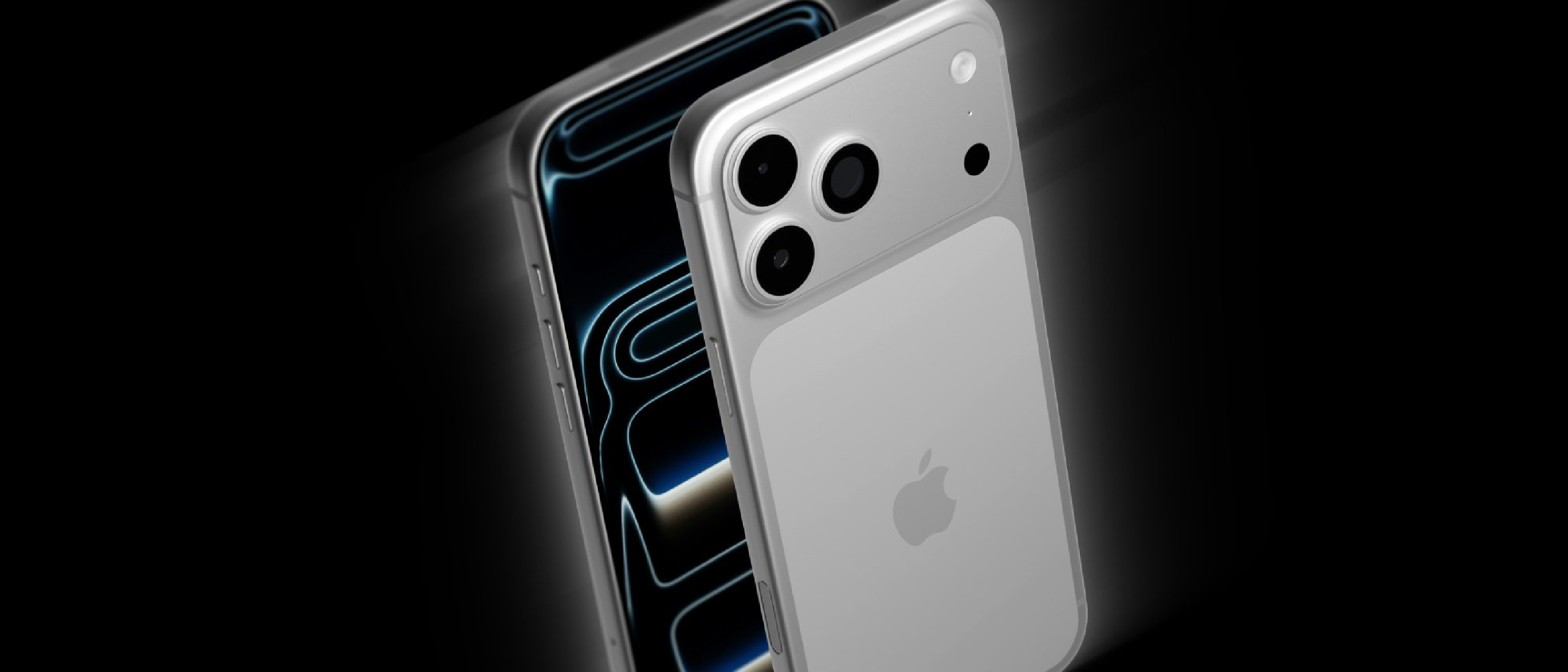
iPhone 16 and Beyond: Rumors and Predictations
- Under-display Face ID (eliminating the notch)
- Periscope zoom lens (5x or 10x optical zoom)
- Titanium frame (lighter and more durable)
- A18 Pro chip (3nm process for better efficiency)
- AI-powered features (on-device Siri improvements, generative AI tools)
iPad Pro 2024: The Next Leap
- OLED displays (for better contrast and battery life)
- M3 chip (even faster performance)
- Thinner bezels (more screen in the same footprint)
- Reverse wireless charging (for AirPods and Apple Watch)
- Improved Apple Pencil (haptic feedback, lower latency)
FAQ: iPhone and iPad Pro Deep Dive
1. Why was the original iPhone so revolutionary?
The iPhone combined three devices into one:
- A widescreen iPod (music and video playback)
- A revolutionary phone (visual voicemail, multi-touch keyboard)
- A breakthrough internet communicator (desktop-class Safari browser)
It eliminated the need for a stylus, physical keyboard, and multiple devices.
2. How did the App Store change the smartphone industry?
Before the App Store, mobile apps were limited to carrier portals or third-party stores with poor security. The App Store:
- Standardized app distribution (one place for all apps)
- Enabled indie developers (low barrier to entry)
- Created a new economy (billions in revenue for developers)
- Inspired competitors (Google Play, Microsoft Store)
3. What makes the iPad Pro different from a regular iPad?
| Feature | iPad Pro | Regular iPad |
|---|---|---|
| Display | ProMotion (120Hz), OLED (2024) | 60Hz, LCD |
| Chip | M1/M2 (desktop-class) | A-series (mobile-focused) |
| Storage | Up to 2TB | Up to 256GB |
| Connectivity | Thunderbolt/USB 4 | USB-C (limited speeds) |
| Accessories | Apple Pencil 2, Magic Keyboard | Apple Pencil 1, basic keyboards |
4. Can the iPad Pro really replace a laptop?
For many users, yes—but with caveats:
- Pros:
- Portability (lighter than most laptops)
- Touch and Apple Pencil support (better for drawing/note-taking)
- Long battery life (10+ hours)
- Desktop-class apps (Affinity Photo, LumaFusion, Procreate)
- Cons:
- File management (iPadOS is still more restrictive than macOS)
- External display limitations (Stage Manager is improving but not perfect)
- Professional software gaps (no full Adobe Premiere Pro, Final Cut Pro is iPad-only)
5. What’s the biggest challenge for the iPhone’s future?
Innovation saturation. After 17 years, the iPhone is a mature product. Apple’s challenges include:
- Differentiation (how to make each new model stand out)
- Regulation (antitrust concerns, right-to-repair laws)
- AI integration (how to compete with Google’s AI-first approach)
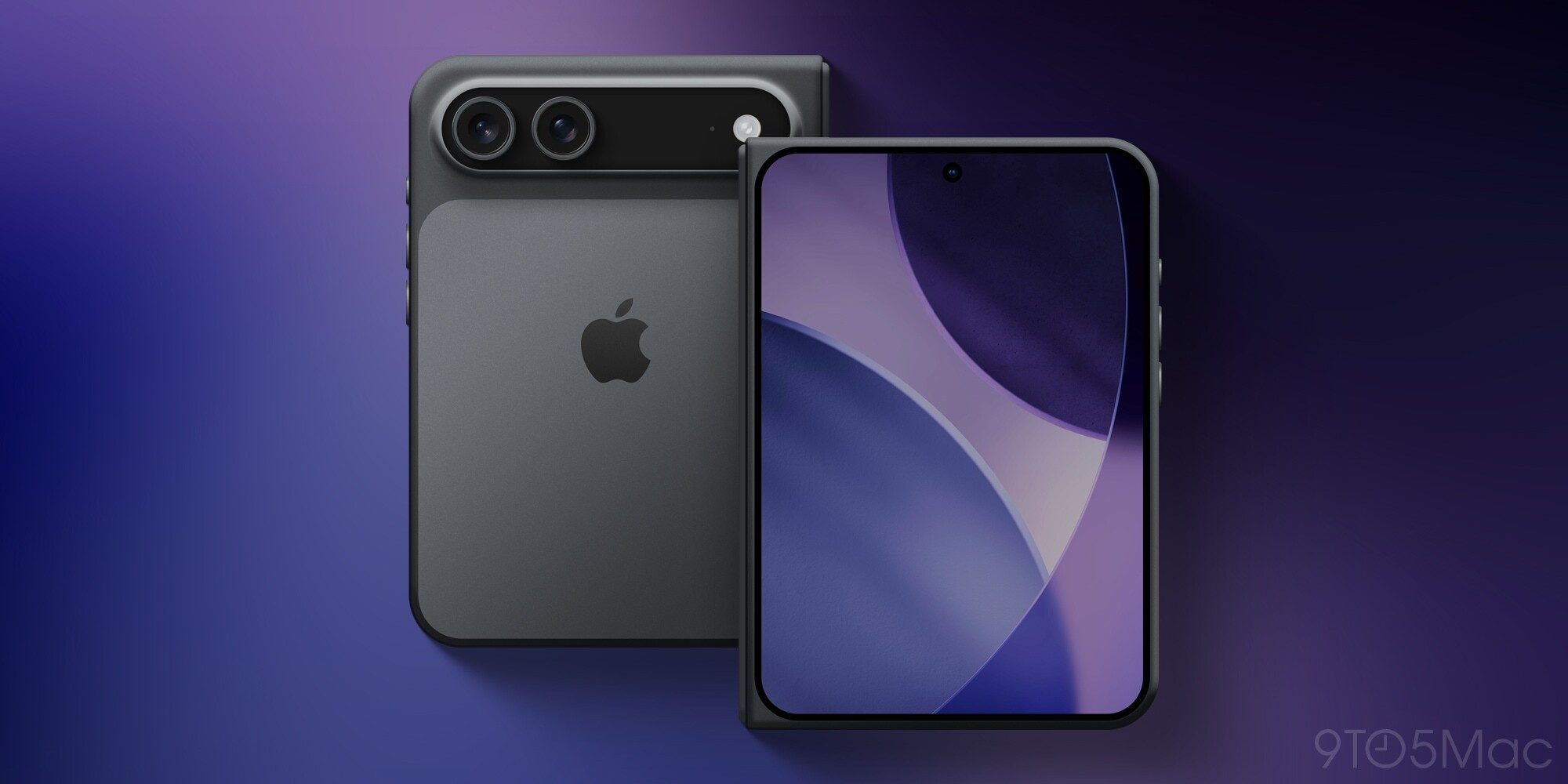
- Foldables (will Apple ever release a foldable iPhone?)
6. Why does Ryan prefer the iPad Pro over a MacBook?
- Versatility: The iPad Pro can be a tablet, laptop, or even a desktop (with Stage Manager).
- Apple Pencil: Essential for note-taking, sketching, and annotating documents.
- Touchscreen: More intuitive for creative work and media consumption.
- Portability: The 11-inch iPad Pro is lighter than a MacBook Air but just as powerful.
Conclusion: The Legacy of iPhone and iPad Pro
The iPhone didn’t just change the phone industry—it redefined computing. From the original 2007 model to today’s iPhone 15 Pro Max, Apple has consistently pushed boundaries in design, performance, and software integration.
The iPad Pro, meanwhile, represents Apple’s vision for the future of personal computing—a device that’s as powerful as a laptop but as intuitive as a tablet.
As Ryan’s career shows, the iPad Pro isn’t just a niche product for artists. It’s a tool for anyone who wants a flexible, portable, and powerful computing experience. Whether you’re a student, professional, or creative, the iPad Pro (and the iPhone) continue to set the standard for what’s possible.
The next decade of Apple’s hardware will be defined by AI, foldables, and even deeper integration between iOS and macOS. One thing is certain: the best is yet to come.