


Introduction to Roomba and its History
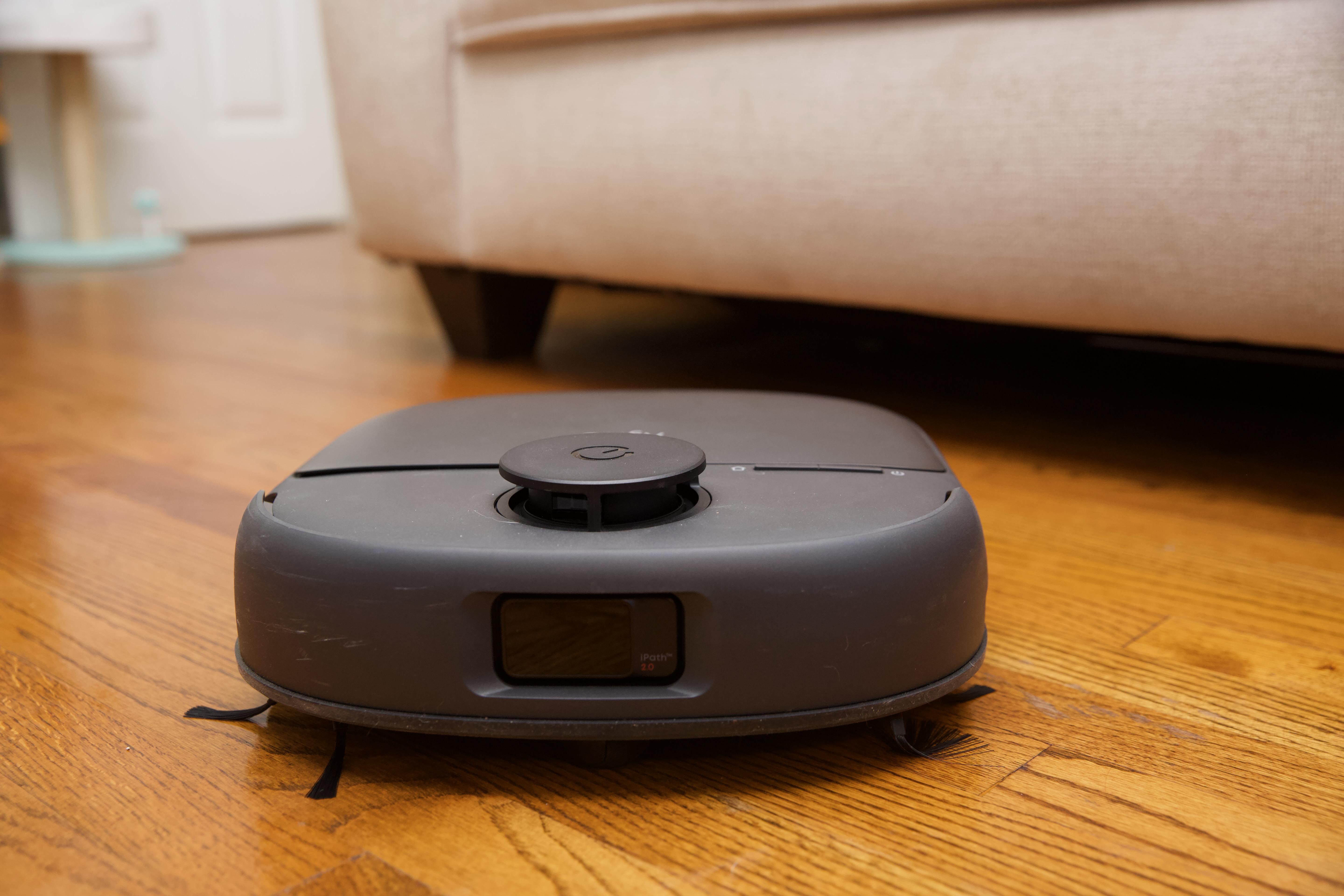
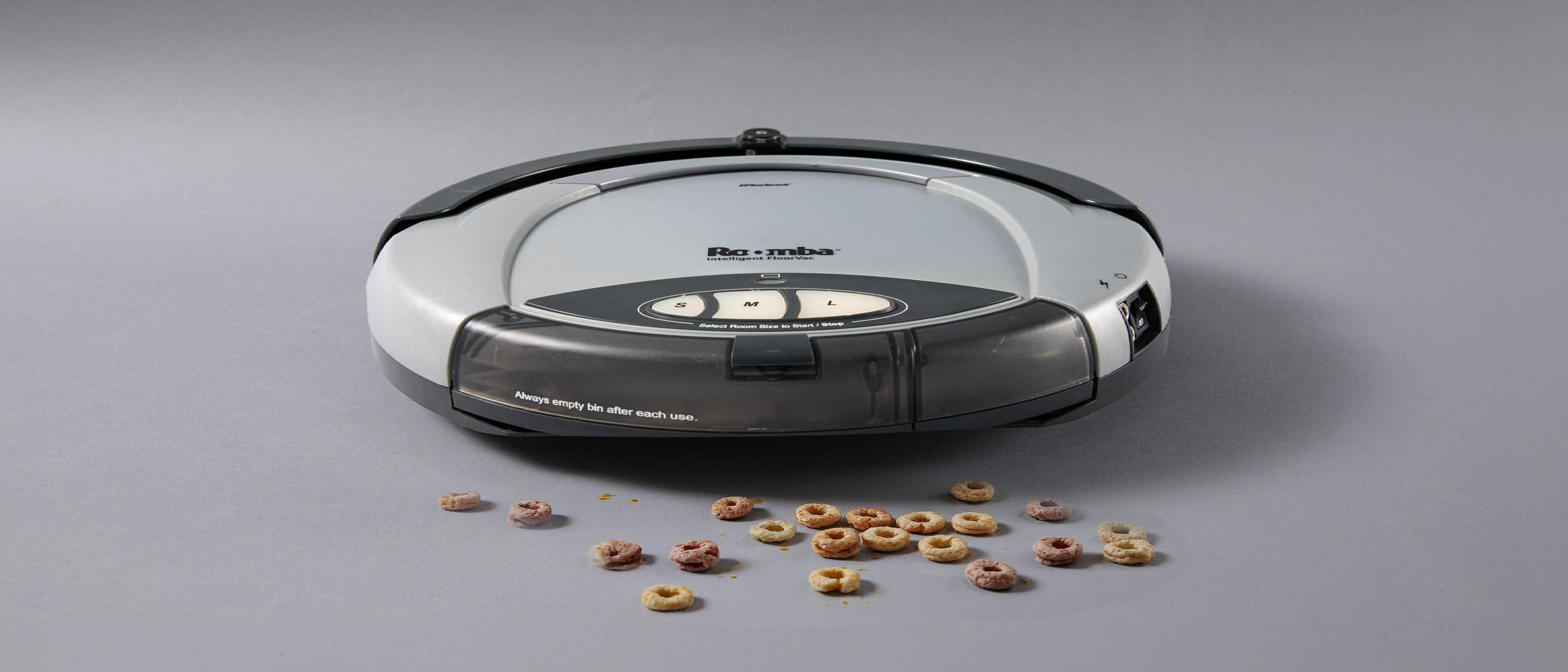
The Roomba, a robot vacuum cleaner, has been a household name for many years. Its introduction to the market marked the beginning of a new era in home cleaning technology. In this article, we will delve into the history of Roomba, its evolution, and its impact on the robotics industry.
The Early Days of Roomba
The first Roomba was released in 2002 by iRobot, a company founded by Colin Angle, Helen Greiner, and Rodney Brooks. The initial model was relatively simple, using a combination of infrared sensors and a random navigation algorithm to clean floors. Despite its simplicity, the Roomba quickly gained popularity due to its convenience and ease of use.
Key Features of Early Roomba Models
Some of the key features of early Roomba models include:
- Random navigation algorithm to clean floors
- Infrared sensors to detect obstacles and stairs
- Small tank capacity, requiring frequent emptying
- Limited battery life, requiring frequent recharging
- Simple design, making it easy to use and maintain
Evolution of Roomba Technology
Over the years, Roomba technology has evolved significantly. New models have been released with advanced features such as:
Improved Navigation Systems
- Mapping technology to create a map of the cleaning area
- Adaptive navigation algorithms to optimize cleaning routes
- Improved sensor systems to detect and avoid obstacles
Enhanced Cleaning Capabilities
- Increased suction power to improve cleaning effectiveness
- Advanced brush systems to improve cleaning efficiency
- Improved filter systems to reduce dust and allergens
Increased Connectivity and Control
- Wi-Fi connectivity to enable remote control and scheduling
- Mobile apps to monitor and control Roomba devices
- Voice control integration with popular virtual assistants
Impact of Roomba on the Robotics Industry
The Roomba has had a significant impact on the robotics industry, paving the way for the development of other robot vacuum cleaners and home cleaning devices. Its success has also inspired innovation in other areas of robotics, such as:
Service Robotics
- Development of robots for tasks such as lawn mowing, pool cleaning, and window cleaning
- Increased focus on creating robots that can interact with and assist humans
Autonomous Systems
- Advancements in autonomous navigation and mapping technology
- Development of autonomous vehicles and drones for various applications
Home Automation
- Increased integration of robots and other devices with home automation systems
- Development of smart home devices that can interact with and control robots
Benefits and Limitations of Roomba
Like any technology, the Roomba has its benefits and limitations. Some of the benefits include:
- Convenience and ease of use
- Improved cleaning effectiveness and efficiency
- Reduced labor and time required for cleaning
However, some of the limitations include:
- Limited cleaning capability on stairs and other complex surfaces
- Noise and disruption caused by the device
- High cost of purchase and maintenance
Real-World Applications of Roomba Technology
Roomba technology has been applied in various real-world scenarios, including:
Home Cleaning
- Cleaning of floors and surfaces in residential homes
- Assistance for people with disabilities or mobility issues
Commercial Cleaning
- Cleaning of floors and surfaces in commercial establishments
- Use in hotels, hospitals, and other institutions where cleanliness is crucial
Research and Development
- Use in research and development of autonomous systems and robotics
- Application in fields such as agriculture, construction, and healthcare
Future of Roomba and Robot Vacuum Cleaners
The future of Roomba and robot vacuum cleaners looks promising, with ongoing advancements in technology and innovation. Some potential developments include:
Improved Navigation and Mapping
- Advancements in navigation and mapping technology to improve cleaning efficiency and effectiveness
Increased Autonomy and Intelligence
- Development of more autonomous and intelligent robots that can adapt to changing environments
Integration with Other Devices and Systems
- Increased integration with other devices and systems, such as home automation and smart home devices
FAQ
- Q: What is the history of Roomba? A: The first Roomba was released in 2002 by iRobot, a company founded by Colin Angle, Helen Greiner, and Rodney Brooks.
- Q: What are the key features of early Roomba models? A: Early Roomba models featured a random navigation algorithm, infrared sensors, a small tank capacity, and limited battery life.
- Q: How has Roomba technology evolved over the years? A: Roomba technology has evolved significantly, with advancements in navigation, cleaning capabilities, and connectivity.
- Q: What is the impact of Roomba on the robotics industry? A: The Roomba has had a significant impact on the robotics industry, paving the way for the development of other robot vacuum cleaners and home cleaning devices.
- Q: What are the benefits and limitations of Roomba? A: The benefits of Roomba include convenience, improved cleaning effectiveness, and reduced labor. However, limitations include limited cleaning capability on stairs and other complex surfaces, noise, and high cost.
- Q: What are the real-world applications of Roomba technology? A: Roomba technology has been applied in various real-world scenarios, including home cleaning, commercial cleaning, and research and development.
- Q: What is the future of Roomba and robot vacuum cleaners? A: The future of Roomba and robot vacuum cleaners looks promising, with ongoing advancements in technology and innovation, including improved navigation and mapping, increased autonomy and intelligence, and integration with other devices and systems.