






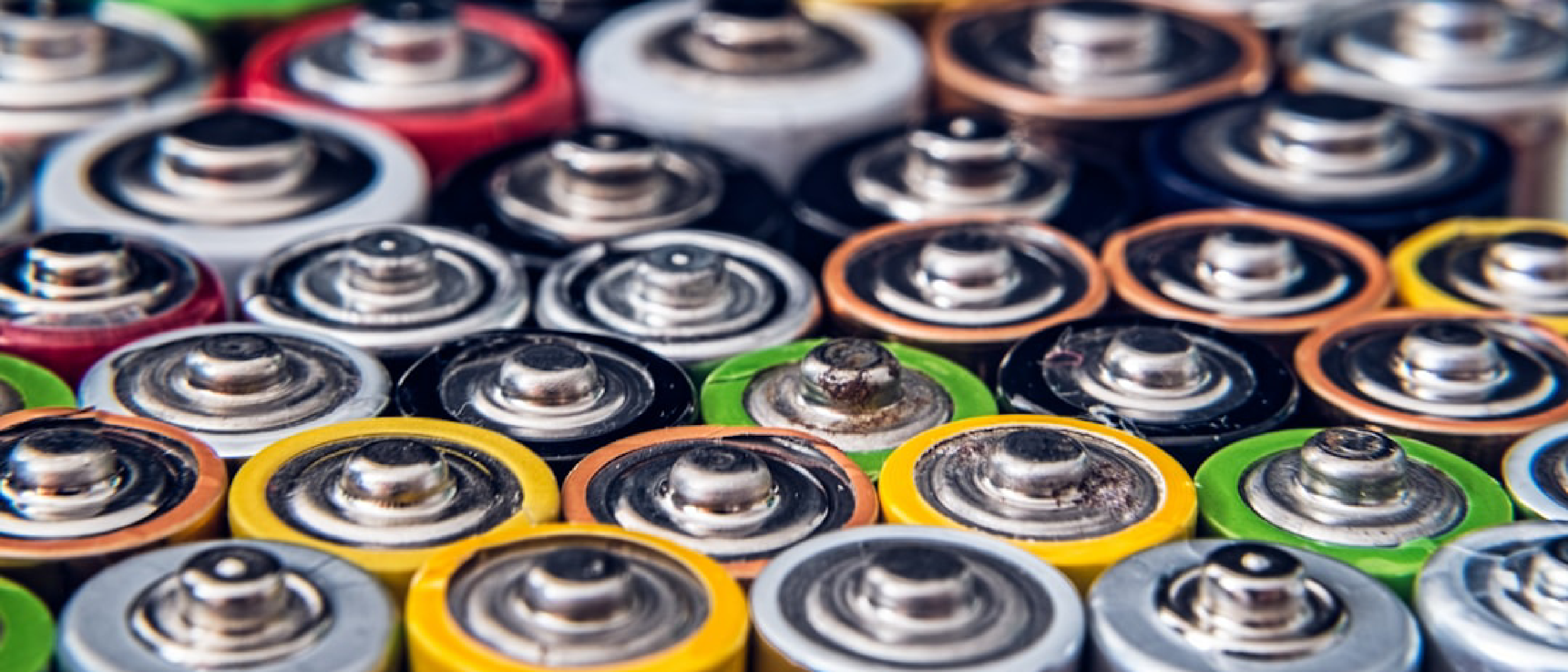
Introduction to Home Batteries
Home batteries have become an essential component in the pursuit of renewable energy and reducing electricity costs. With the increasing demand for energy storage solutions, the market for home batteries has expanded rapidly, offering a wide range of options for homeowners. In this article, we will delve into the world of home batteries, their benefits, and provide a comprehensive guide on how to choose the right one for your needs.
What are Home Batteries?
Home batteries are essentially large power banks for your home, designed to store excess energy generated by solar panels or purchased at a low rate from the grid. This stored energy can be used during periods of high demand or when the grid is experiencing outages. Home batteries are typically made of lithium iron phosphate (LFP) or sodium-ion (Na-ion) batteries, which offer improved safety, durability, and performance compared to traditional lithium-ion batteries.
Benefits of Home Batteries
The benefits of home batteries are numerous and can be summarized as follows:
- Store excess energy generated by solar panels or purchased at a low rate from the grid
- Provide backup power during grid outages
- Reduce electricity costs by optimizing energy usage
- Contribute to grid balancing and stability
- Enable the efficient use of renewable energy sources
Types of Home Batteries
There are several types of home batteries available in the market, including:
- Lithium Iron Phosphate (LFP) batteries: These batteries are known for their safety, durability, and performance. They are less prone to thermal runaway and are widely used in home battery systems.
- Sodium-Ion (Na-ion) batteries: These batteries are potentially cheaper, more environmentally friendly, and perform better in cold temperatures. However, they are larger and have a shorter lifespan compared to LFP batteries.
- Solid-State Batteries: These batteries are smaller, safer, and longer-lasting compared to traditional batteries. They are still in the development phase but show great promise for future applications.
Choosing the Right Home Battery
Choosing the right home battery can be a daunting task, especially with the numerous options available in the market. Here are some key factors to consider:
- Capacity: The capacity of the battery is measured in kilowatt-hours (kWh) and determines how much energy can be stored. The required capacity depends on your energy usage patterns and the size of your solar panel system.
- Power Rating: The power rating of the battery is measured in kilowatts (kW) and determines how much power can be drawn at any given time. A higher power rating is required for households with high-demand appliances.
- Inverter: The inverter is a critical component of the home battery system, responsible for converting DC power to AC power. Hybrid inverters can also convert power from solar panels for use or storage.
- Modular Systems: Modular systems allow you to add capacity as needed, making it easier to upgrade or expand your home battery system.
Calculating Battery Capacity
Calculating the required battery capacity can be a complex task, as it depends on various factors such as energy usage patterns, solar panel system size, and backup power requirements. Here are some steps to follow:
- Determine your daily energy usage in kWh
- Calculate your peak power demand in kW
- Determine the required backup power duration in hours
- Calculate the required battery capacity in kWh
Inverter Selection
The inverter is a critical component of the home battery system, and selecting the right one is essential. Here are some factors to consider:
- Power Rating: Choose an inverter with a power rating that matches your peak power demand.
- Efficiency: Look for an inverter with high efficiency to minimize energy losses.
- Compatibility: Ensure the inverter is compatible with your home battery system and solar panel system.
Installation and Maintenance
Installing a home battery system requires careful planning and execution. Here are some steps to follow:
- Assess your energy usage: Determine your energy usage patterns and identify areas for improvement.
- Choose the right system: Select a home battery system that meets your energy needs and budget.
- Install the system: Hire a professional to install the system, ensuring that it is done safely and efficiently.
- Maintain the system: Regularly inspect and maintain the system to ensure optimal performance and longevity.
Common Mistakes to Avoid
Here are some common mistakes to avoid when installing a home battery system:
- Insufficient capacity: Failing to calculate the required battery capacity, leading to insufficient backup power.
- Incompatible components: Using incompatible components, such as an inverter that is not compatible with the battery system.
- Poor installation: Failing to follow proper installation procedures, leading to safety hazards and reduced system performance.
FAQ
Here are some frequently asked questions about home batteries:
- Q: What is the lifespan of a home battery? A: The lifespan of a home battery depends on the type and quality of the battery, as well as usage patterns. Typically, a home battery can last between 10 to 20 years.
- Q: Can I use an EV battery as a home battery? A: While it is technically possible to use an EV battery as a home battery, it is not recommended. EV batteries are designed for automotive applications and may not be suitable for home energy storage.
- Q: How much does a home battery system cost? A: The cost of a home battery system depends on the size and type of the system, as well as installation costs. Typically, a home battery system can cost between $5,000 to $20,000 or more.
Conclusion
Home batteries are an essential component in the pursuit of renewable energy and reducing electricity costs. By understanding the benefits, types, and factors to consider when choosing a home battery, you can make an informed decision and enjoy the benefits of energy independence. Remember to carefully calculate your battery capacity, select the right inverter, and follow proper installation and maintenance procedures to ensure optimal performance and longevity. With the right home battery system, you can reduce your energy bills, contribute to grid stability, and enjoy a more sustainable future.