






Introduction to Autonomous Driving
The concept of autonomous driving has been a topic of interest in the tech industry for several years. With the introduction of Tesla’s Autopilot feature, many people believed that the future of driving had finally arrived. However, a recent incident in Texas has raised concerns about the safety and reliability of autonomous driving systems. In this article, we will delve into the details of the incident and explore the technical aspects of autonomous driving.
What is Autonomous Driving?
Autonomous driving, also known as self-driving or driverless driving, refers to the use of artificial intelligence (AI) and machine learning (ML) algorithms to enable vehicles to operate without human input. Autonomous vehicles use a combination of sensors, GPS, and mapping data to navigate roads and avoid obstacles. The goal of autonomous driving is to improve road safety, reduce traffic congestion, and enhance the overall driving experience.
The Tesla Autopilot Feature
The Tesla Autopilot feature is a advanced driver-assistance system (ADAS) that uses a combination of cameras, radar, and ultrasonic sensors to enable semi-autonomous driving. The feature is designed to assist drivers with steering, acceleration, and braking, but it is not intended to be a fully autonomous system. Tesla’s Autopilot feature has been available in their vehicles since 2015 and has undergone several updates and improvements over the years.
How Does Autopilot Work?
The Autopilot feature uses a combination of sensors and software to enable semi-autonomous driving. The system uses cameras to detect lane markings, road signs, and other vehicles, while radar and ultrasonic sensors are used to detect obstacles and measure distances. The system then uses this data to adjust the vehicle’s speed, steering, and braking to ensure safe and smooth operation. However, the Autopilot feature is not perfect and has been involved in several accidents over the years.
The Texas Incident
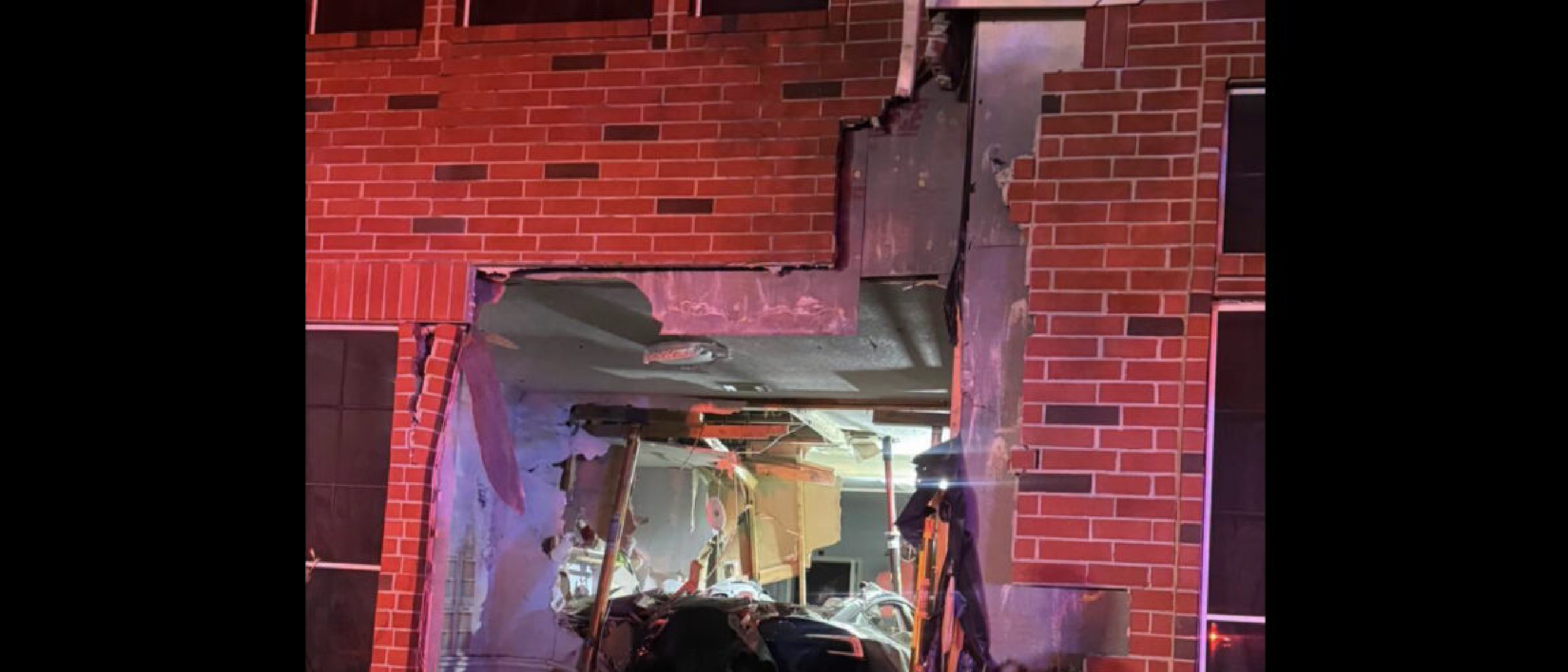
On a recent Friday, a tragic incident occurred in Texas when a Tesla Model 3 crashed into a family’s home, resulting in the death of an elderly woman. According to the Harris County Sheriff’s Office, the driver, Michael Butler, was using the Autopilot feature at the time of the crash. The incident is currently under investigation, and police are working to determine whether the Autopilot feature was a contributing factor to the crash.
Details of the Incident
According to reports, Butler failed to drive in a single lane and left the roadway, striking the residence at a high rate of speed. The incident occurred in a residential area, and the victim was inside her home at the time of the crash. The Harris County Sheriff’s Office has confirmed that Butler was not intoxicated and is cooperating with the investigation. Butler has also been helpful in explaining how Tesla’s Autopilot feature works, which may aid in the investigation.
Investigation and Possible Causes
The investigation into the Texas incident is ongoing, and police are working to determine the cause of the crash. Several factors could have contributed to the accident, including:
- Human error: Although the Autopilot feature was engaged, the driver may have been distracted or failed to monitor the road.
- Technical malfunction: A technical issue with the Autopilot feature or the vehicle’s sensors could have caused the system to malfunction.
- Software glitch: A software glitch or bug could have caused the Autopilot feature to behave erratically.
- Environmental factors: Environmental factors such as road conditions, weather, or lighting could have affected the Autopilot feature’s ability to operate safely.
Possible Consequences
The investigation into the Texas incident could have significant consequences for Tesla and the development of autonomous driving technology. If the Autopilot feature is found to be at fault, it could lead to:
- Regulatory changes: Regulatory changes could be implemented to ensure the safe development and deployment of autonomous driving technology.
- Lawsuits: Tesla could face lawsuits from the victim’s family and other parties affected by the incident.
- Reputation damage: The incident could damage Tesla’s reputation and affect consumer confidence in their vehicles and technology.
Technical Analysis of Autonomous Driving
Autonomous driving technology is complex and involves the integration of several components, including:
- Sensors: Cameras, radar, lidar, and ultrasonic sensors are used to detect and respond to the environment.
- Software: Sophisticated software is used to process sensor data and make decisions in real-time.
- Mapping: High-definition mapping data is used to enable vehicles to navigate roads and avoid obstacles.
- Communication: Vehicles must be able to communicate with other vehicles and infrastructure to ensure safe and efficient operation.
Challenges and Limitations
Autonomous driving technology is not without its challenges and limitations. Some of the key challenges include:
- Edge cases: Autonomous vehicles must be able to handle unusual or unexpected situations, such as construction or road closures.
- Sensor limitations: Sensors can be limited by weather conditions, lighting, or other environmental factors.
- Cybersecurity: Autonomous vehicles must be secure from cyber threats and hacking attempts.
- Regulation: Regulatory frameworks must be developed and implemented to ensure the safe deployment of autonomous driving technology.
Future of Autonomous Driving
Despite the challenges and limitations, autonomous driving technology has the potential to revolutionize the way we travel. With the continued development and improvement of autonomous driving technology, we can expect to see:
- Increased safety: Autonomous vehicles could significantly reduce the number of accidents on the road.
- Improved efficiency: Autonomous vehicles could optimize traffic flow and reduce congestion.
- Enhanced mobility: Autonomous vehicles could provide transportation for people who are unable to drive themselves.
Upcoming Developments
Several companies, including Tesla, Waymo, and Cruise, are working on the development of autonomous driving technology. Some of the upcoming developments include:
- Level 4 autonomy: Level 4 autonomy refers to high-level autonomy, where vehicles can operate without human input in most scenarios.
- Level 5 autonomy: Level 5 autonomy refers to full autonomy, where vehicles can operate without human input in all scenarios.
- Vehicle-to-everything (V2X) communication: V2X communication enables vehicles to communicate with other vehicles, infrastructure, and pedestrians to ensure safe and efficient operation.
FAQ
Here are some frequently asked questions about autonomous driving and the Tesla Autopilot feature:
- Q: Is the Tesla Autopilot feature fully autonomous? A: No, the Tesla Autopilot feature is a semi-autonomous system that requires driver monitoring and input.
- Q: Can the Autopilot feature be used in all scenarios? A: No, the Autopilot feature is not intended for use in all scenarios, such as construction zones or areas with poor road conditions.
- Q: How does the Autopilot feature handle edge cases? A: The Autopilot feature is designed to handle unusual or unexpected situations, but it is not perfect and may require driver input in certain scenarios.
- Q: Is the Autopilot feature secure from cyber threats? A: Tesla has implemented several security measures to protect the Autopilot feature from cyber threats, but no system is completely secure.
- Q: What are the regulatory requirements for autonomous driving? A: Regulatory requirements for autonomous driving vary by country and region, but most require vehicles to meet certain safety and performance standards.
Conclusion
The Texas incident highlights the need for continued development and improvement of autonomous driving technology. While the Autopilot feature has been involved in several accidents, it is still a relatively safe and reliable system. However, the incident serves as a reminder that autonomous driving technology is not perfect and requires continued monitoring and improvement. As the technology continues to evolve, we can expect to see significant advancements in safety, efficiency, and mobility.