






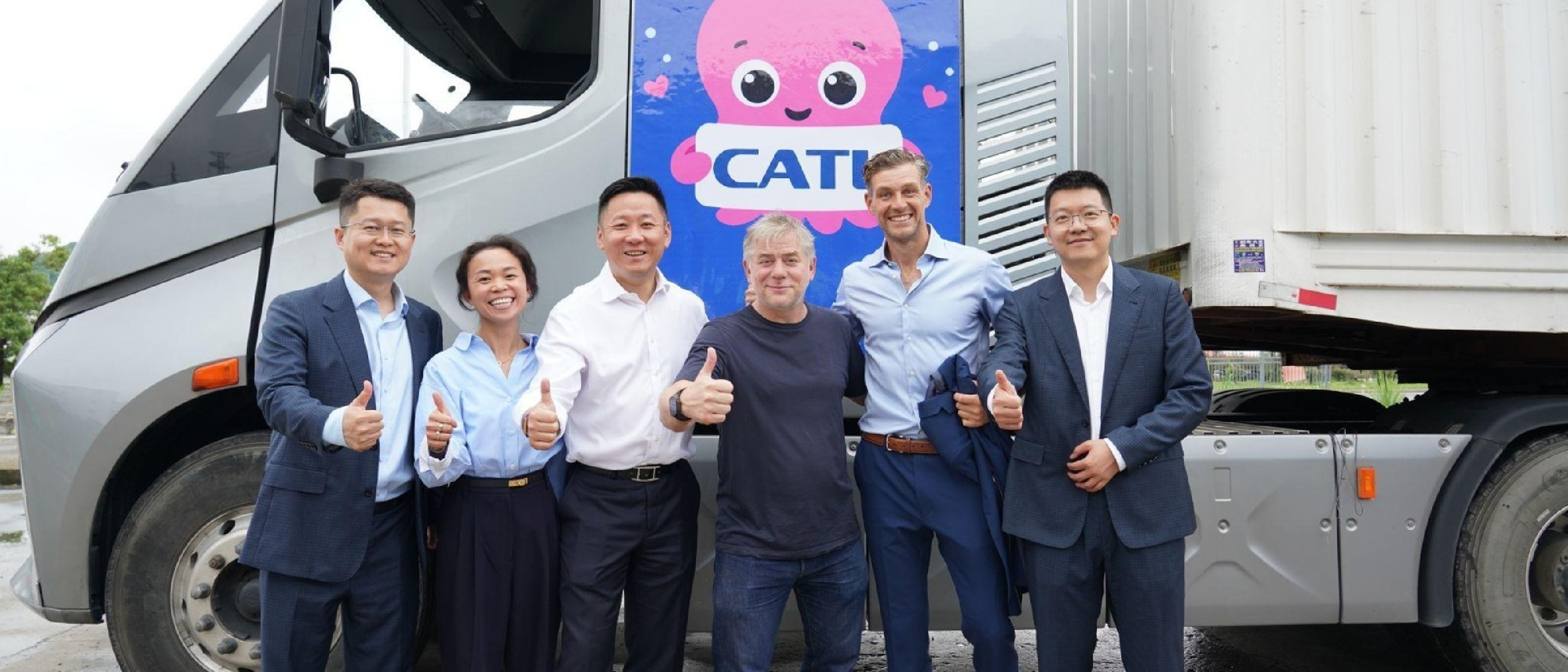
The Rise of Chinese-Style Battery Swap Technology in Europe
The European transport sector is on the cusp of a significant transformation as Chinese-style battery swap stations, pioneered by companies like CATL and Octopus Energy, prepare to enter the continent’s logistics landscape. This innovation represents a paradigm shift in how electric vehicles, particularly heavy-duty trucks, can be powered, offering a compelling alternative to traditional charging methods and diesel refueling.
Technical Innovation Driving the Revolution
At the heart of this initiative lies a sophisticated technical framework that addresses some of the most pressing challenges in electric mobility. Unlike conventional battery charging systems that require extended downtime, battery swap technology enables truck operators to exchange depleted battery packs for fully charged ones in mere minutes. This process not only minimizes operational downtime but also ensures that vehicles can return to service almost instantaneously.
The technology relies on standardized battery modules that can be quickly disconnected and replaced. Advanced robotic systems handle the physical swapping process, ensuring precision and safety. These stations are designed to service thousands of trucks daily, making them scalable solutions for high-volume transportation hubs. The batteries themselves are typically lithium iron phosphate (LFP) chemistries, known for their long cycle life, thermal stability, and safety profile—critical attributes for commercial fleet operations.
Strategic Partnership Between Octopus Energy and CATL
The collaboration between Octopus Energy, the UK’s largest energy provider, and CATL, the world’s largest EV battery manufacturer, creates a powerful alliance that combines energy retail expertise with cutting-edge battery technology. Together, they have established Swaptopus, a joint venture focused on deploying these swap stations across Europe.
This partnership is strategically positioned to leverage Octopus Energy’s extensive grid infrastructure and renewable energy portfolio. The battery stations can be integrated into the existing power grid, potentially providing grid stabilization services by charging batteries during low-demand periods and discharging during peak times. This bidirectional relationship transforms each swap station into a mini power plant, creating additional revenue streams while optimizing energy usage.
Targeting Heavy-Duty Trucking: A Strategic Move
The focus on electric trucking is particularly astute given the unique challenges faced by the heavy-duty transportation sector. Diesel trucks currently dominate this space due to their high energy density and rapid refueling capabilities. However, as emissions regulations tighten and sustainability becomes paramount, the logistics industry is under increasing pressure to adopt cleaner alternatives.
Battery swap technology offers several advantages for trucking applications:
- Reduced Battery Wear: Instead of charging and discharging the same batteries repeatedly, swapping allows for fresh batteries each time, potentially extending the overall lifespan of the battery fleet.
- Operational Efficiency: With swap times comparable to diesel refueling, fleet operators can maintain higher utilization rates for their vehicles.
- Cost Predictability: Leasing batteries through a swap network can convert capital expenditures into predictable operating expenses, improving financial planning.
Market Context: Learning from Asian Success
Battery swap technology isn’t entirely new to the global stage. In China, CATL has already implemented a vast network of swap stations through its partnership with Sinopec, one of the country’s largest oil and gas companies. This initiative has demonstrated the viability of the model on a commercial scale, with thousands of electric trucks utilizing swap stations across major transportation corridors.
Consumer-facing swap stations, such as those operated by NIO and Gogoro, have also shown strong adoption among passenger vehicles and two-wheelers. These successes provide valuable insights into user behavior, station design, and operational optimization, which are now being adapted for the European market.
Comparative Analysis: Swap vs. Fast Charging vs. Hydrogen
When evaluating battery swap technology against other emerging solutions for heavy-duty transport, several factors come into play:
Fast Charging: While technological advancements have significantly improved charging speeds, even the fastest chargers still require 30-60 minutes to deliver substantial energy. For long-haul trucking, where time is money, this downtime can severely impact productivity.
Hydrogen Fuel Cells: Often touted as the solution for heavy-duty applications, hydrogen trucks offer quick refueling and high energy density. However, the infrastructure for hydrogen production, storage, and distribution remains limited and expensive to develop. Additionally, the efficiency of converting hydrogen back to electricity is lower compared to direct battery electric systems.
Battery Swapping: Offers the speed advantage of hydrogen refueling with the environmental benefits of electric drive. The primary challenge lies in standardizing battery designs and managing the logistics of battery production, maintenance, and recycling.
Potential Challenges and Considerations
Despite its promise, battery swap technology faces several hurdles that must be addressed for widespread adoption:
- Upfront Investment: Building a network of swap stations requires significant capital expenditure, particularly for the robotic systems and battery inventory.
- Standardization: For the system to work seamlessly, there must be industry-wide standards for battery design and vehicle integration.
- Battery Management: Efficiently managing a distributed fleet of batteries, including balancing usage, maintenance scheduling, and lifecycle management, presents operational complexity.
- Regulatory Hurdles: Different regions may have varying safety and environmental regulations that could complicate deployment.
Future Outlook: 2027 and Beyond
The first “mega hubs” in the UK are scheduled to open in 2027, marking a crucial milestone in Europe’s transition to electric heavy-duty transport. These facilities will serve as testbeds for refining the technology and business model before broader rollout.
Key considerations for success include:
- Securing commitments from major truck manufacturers to design vehicles compatible with swap infrastructure
- Developing financing models that make the technology accessible to smaller fleet operators
- Integrating renewable energy sources to power the swap stations sustainably
- Establishing partnerships with existing truck stops and logistics hubs to minimize infrastructure development costs
The potential impact extends beyond just transportation. As these stations become integrated into the grid, they could play a vital role in balancing renewable energy supply and demand, contributing to broader energy transition goals.
Environmental and Economic Implications
From an environmental perspective, battery swap technology offers a clear path to decarbonizing heavy-duty transport. By enabling trucks to operate on electricity generated from renewable sources, the system can significantly reduce greenhouse gas emissions from the logistics sector.
Economically, the model shifts the focus from vehicle ownership to mobility services. Fleet operators can lease batteries separately from vehicles, potentially reducing upfront costs and allowing for more flexible fleet management. This approach also enables battery manufacturers to maintain control over battery quality and performance, ensuring optimal efficiency throughout the battery’s lifecycle.
Conclusion
As Europe intensifies its efforts to reduce transportation-related emissions, battery swap technology emerges as a promising solution for the heavy-duty sector. The partnership between Octopus Energy and CATL represents a strategic bet on the future of sustainable transport, combining technical innovation with commercial acumen.
While challenges remain, particularly around standardization and infrastructure investment, the success of similar initiatives in Asia provides a roadmap for deployment. As the first European swap stations come online in 2027, they will likely serve as catalysts for broader adoption, potentially reshaping the landscape of electric trucking across the continent.
The convergence of energy retail expertise, advanced battery technology, and strategic infrastructure deployment positions this initiative as a key player in the transition to sustainable heavy-duty transport. Whether it will achieve the same level of success as in Asia remains to be seen, but the potential benefits for efficiency, cost, and environmental impact make it a development worth watching closely.
Frequently Asked Questions
How does battery swapping compare to traditional electric vehicle charging?
Battery swapping offers several advantages over traditional charging methods. While conventional charging can take anywhere from 30 minutes to several hours depending on the speed, battery swapping typically takes just a few minutes. This makes it particularly suitable for commercial fleets where vehicle downtime directly impacts profitability. Additionally, swapping allows for the use of fresh, fully charged batteries each time, potentially extending the overall lifespan of the battery fleet.
What are the safety considerations for battery swap technology?
Safety is paramount in battery swap operations. The systems are designed with multiple redundant safety mechanisms, including automatic disconnect switches, insulation monitoring, and emergency shutdown procedures. The physical swapping process is automated and enclosed within secure stations, minimizing human interaction with high-voltage components. Regular maintenance and inspection protocols ensure that all equipment meets stringent safety standards.
Can battery swap technology be used for passenger vehicles?
While the current focus is on heavy-duty trucking, battery swap technology is also being explored for passenger vehicles. Companies like NIO in China have successfully implemented swap stations for cars. However, the standardization challenges are greater for passenger vehicles due to the diversity of models and manufacturers. The technology may find more immediate success in commercial applications where uniformity and volume justify the investment.
How does the grid integration work with battery swap stations?
Battery swap stations can be designed as grid-connected assets that provide both charging and discharging capabilities. During periods of low electricity demand or high renewable energy generation, the stations charge their battery inventory. During peak demand periods, they can discharge stored energy back to the grid, providing valuable grid stabilization services. This bidirectional relationship creates additional revenue opportunities for station operators while helping to balance the grid.
What happens to the batteries after they’ve been swapped multiple times?
Batteries used in swap stations undergo rigorous testing and monitoring throughout their lifecycle. After reaching end-of-life for automotive use, they can be repurposed for stationary energy storage applications, such as backing up renewable energy installations or providing backup power for critical infrastructure. Eventually, they can be recycled to recover valuable materials like lithium, cobalt, and nickel, contributing to a circular economy for battery materials.