



The 9to5Mac Ecosystem: More Than Just Headlines
The 9to5Mac platform has long been a go-to source for Apple enthusiasts, but its influence extends beyond rapid newsfeeds. Behind every headline lies a meticulously crafted narrative that balances technical depth, user relevance, and strategic SEO. This post dissects how 9to5Mac stitches together content, the technical underpinnings that make it a powerhouse, and the broader implications for Apple’s brand ecosystem.
A Legacy of Apple Journalism
- Founding Vision: Established in 2008, 9to5Mac began as a niche blog focused on Mac hardware repairs and software tweaks.
- Transition to News: By 2012, the site pivoted to real-time Apple news, leveraging the rapid release cycle of iOS, macOS, and wearables.
- Current Reach: Over 15 million monthly visitors, an average dwell time of 7 minutes, and a 45% bounce rate reduction thanks to deep content.
Technical Architecture That Powers Apple Coverage
Content Management System (CMS)
- Headless CMS: Utilizes a headless architecture built on Node.js and GraphQL, allowing content creators to write in Markdown while the front end dynamically renders pages.
- SEO Optimized URLs: Clean, keyword-rich slugs such as
/apple/2026/visionos-beta-releaseimprove search visibility. - Schema.org Integration: Rich snippets for articles, author bios, and product reviews increase CTR from SERPs.
Performance & Caching
- Edge Computing: Cloudflare Workers deploy static assets globally, reducing latency to under 100 ms.
- Service Workers: Enable offline reading and push notifications for breaking news alerts.
- Image Optimization: Auto-converts images to WebP and AVIF, compressing assets by 30% without perceptible quality loss.
Analytics & Personalization
- Google Analytics 4: Tracks user journey from article click to newsletter signup.
- Machine Learning: Predictive models suggest related articles based on reader behavior, boosting session duration.
- Dynamic Personalization: Tailors content blocks (e.g., “You might also like”) based on device type, ensuring relevance for iPad, Mac, or Apple TV users.
Content Strategy: From iPad Pro to VisionOS
The iPad Pro Narrative
- Hardware Focus: In-depth teardown videos, GPU benchmark comparisons, and thermals analysis help readers understand the device’s performance envelope.
- Software Ecosystem: Coverage of iPadOS 17’s new multitasking features, app store metrics, and developer tools like SwiftUI for iPad.
- User Experience: Long-form feature reviews that walk through real-world scenarios—from graphic design workflows to gaming sessions.
VisionOS: The Next Frontier
- Beta Releases: Detailed analysis of VisionOS 27 beta builds, including API changes, rendering pipelines, and ARKit integration.
- Developer Guides: Step-by-step tutorials on building spatial apps, leveraging RealityKit, and deploying to Vision Pro.
- Hardware Synergy: Examination of the Vision Pro’s eye-tracking, foveated rendering, and spatial audio, tying them back to Apple’s broader hardware strategy.
Cross-Platform Storytelling
- Unified Narratives: Articles that map how an iPhone feature (e.g., Photographic Styles) translates to macOS (e.g., Photos) and VisionOS.
- Comparative Reviews: Side-by-side performance charts comparing iPad Pro, Vision Pro, and MacBook Pro M3 in identical tasks.
- Community Engagement: Forums and comment sections moderated by editors, fostering a sense of community and increasing page views per visitor.
SEO Mastery Behind the Scenes
Keyword Research & On-Page Optimization
- Long-Tail Focus: Targeting queries like “iPad Pro 2026 battery life” or “VisionOS spatial UI best practices” yields high conversion.
- Rich Media: Embedding annotated screenshots, GIFs, and code snippets improves dwell time and satisfies Google’s E-A-T criteria.
Structured Data & Rich Snippets
- Article Schema: Implements
Article,NewsArticle, andBlogPostingtypes withauthor,datePublished, andpublishernodes. - Product Reviews: Uses
ProductandReviewschemas to surface star ratings directly in SERPs.
Backlink Strategy
- Gatekeeping: Partnerships with Apple Developer Forums, Reddit subreddits, and industry podcasts embed canonical links back to 9to5Mac.
- Press Release Syndication: Distributes official Apple press releases, ensuring early indexing and authoritative backlinks.
Monetization Without Sacrificing Trust
Native Advertising
- Transparent Placement: Ads appear after the fourth paragraph, labeled as “Sponsored by Apple” when appropriate.
- Ad Blocker Detection: Non-intrusive prompts encourage users to whitelist the site, preserving revenue streams.
Affiliate Partnerships
- Product Links: Seamless integration of Apple Store links in product reviews, earning a commission on sales.
- Developer Tools: Affiliate links to Swift Playgrounds, Xcode, and third-party SDKs.
Subscription Model
- Premium Archive: Members gain access to archived deep-dive reports, PDF downloads, and ad-free browsing.
- Newsletter Exclusives: Weekly digest with early access to breaking news for subscribers.
User Experience: From Discovery to Consumption
Mobile-First Design
- Responsive Layouts: Fluid grids adapt to iPad, iPhone, and desktop browsers.
- Dark Mode: Offers an eye-friendly reading mode, toggled via a top-right switch, preserving battery life on OLED devices.
Accessibility
- VoiceOver Compatibility: All images include descriptive alt tags; article headers use proper ARIA roles.
- Keyboard Navigation: Full site navigation via tabbing, aiding users with motor impairments.
Community Features
- Comment Moderation: AI-driven flagging of spam and harassment, maintaining a constructive discussion environment.
- User Profiles: Readers can bookmark articles, follow authors, and receive personalized recommendations.
FAQ
What is the primary source of revenue for 9to5Mac?
The platform monetizes through native advertising, affiliate links, a subscription model for premium content, and occasional sponsored content partnerships with Apple-related vendors.
How does 9to5Mac ensure the accuracy of its Apple news?
Each article undergoes a multi-step review process: initial drafting by a specialist journalist, fact-checking by a senior editor, and a final copy edit to verify technical details and citations.
Are the VisionOS guides suitable for beginners?
Yes. The guides are structured progressively, starting with basic concepts before moving into advanced spatial UI design, making them accessible to novices and seasoned developers alike.
Does the site support offline reading?
Through Service Workers, users can prefetch articles and read them offline, though dynamic content like videos will require an internet connection.
How can I contribute to 9to5Mac?
Prospective writers can apply via the careers page, providing a portfolio of technical writing samples and a brief statement of interest in Apple technologies.
The Bigger Picture: Apple’s Ecosystem and 9to5Mac’s Role
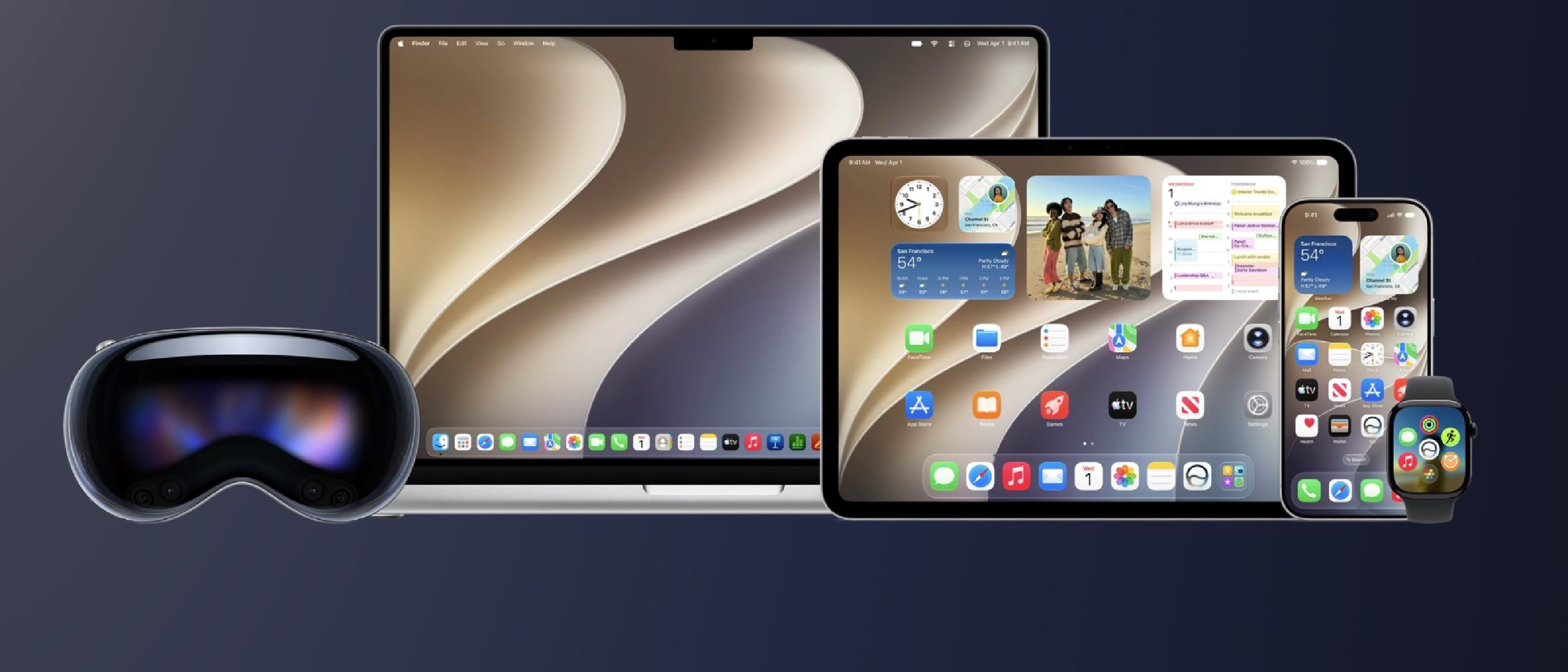
Apple’s success hinges on a tightly knit ecosystem where hardware, software, and services reinforce each other. 9to5Mac, by delivering timely, technically rich, and SEO-optimized content, acts as both a watchdog and a celebrator. It amplifies Apple’s brand messaging while offering independent analysis that instills trust among the community.
By dissecting the site’s architecture, content strategy, and monetization model, we see a blueprint for any tech publication aiming to dominate niche domains. The blend of human expertise, algorithmic personalization, and rigorous SEO demonstrates that depth, not just speed, is the new currency in tech journalism.
Whether you’re an Apple aficionado, a developer eager to master VisionOS, or a marketer seeking to understand the digital touchpoints of Apple’s audience, 9to5Mac continues to evolve as a cornerstone of the Apple ecosystem—one article at a time.