



Introduction to Data Centers and Grid Operators
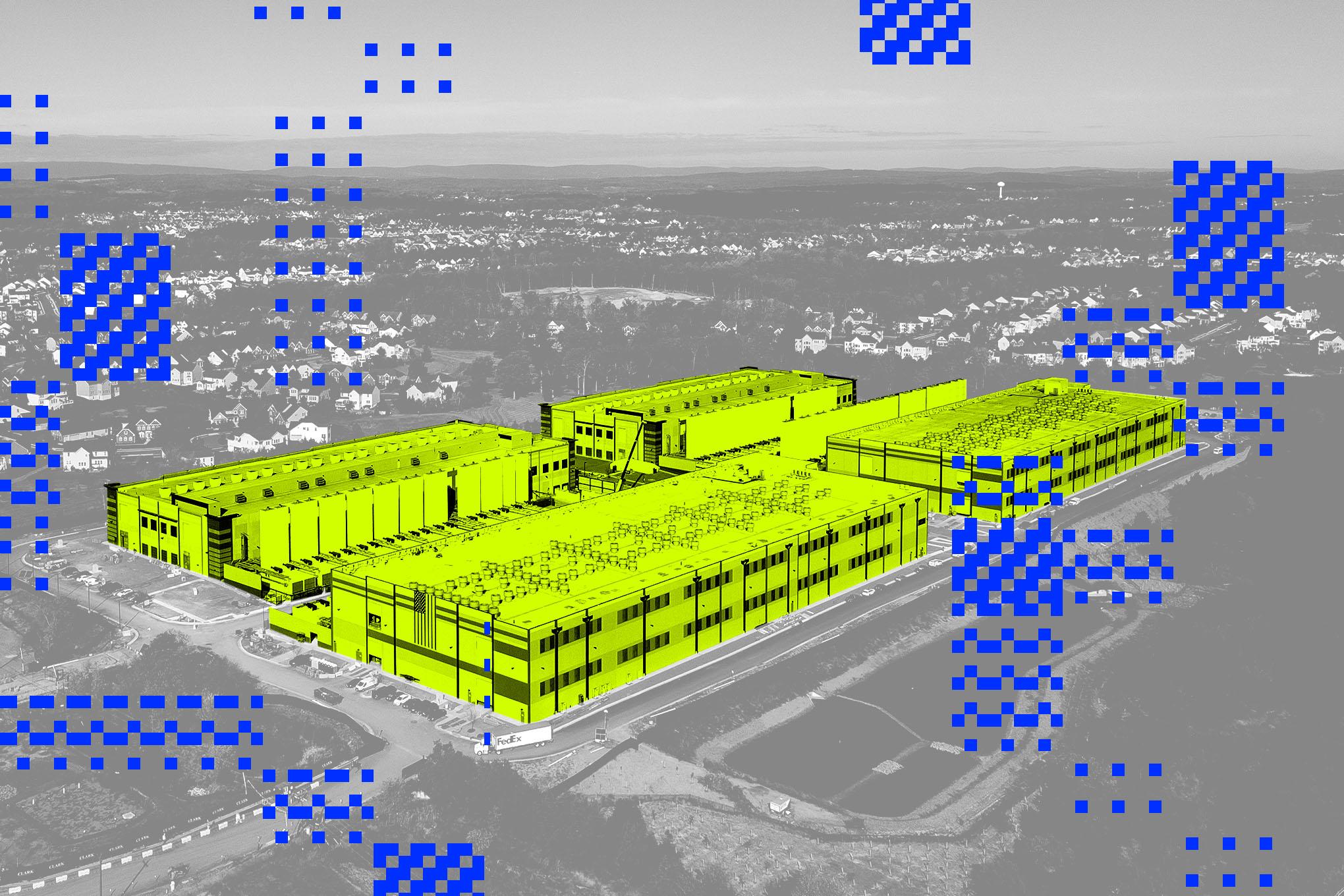
Data centers are the backbone of the modern digital economy, providing the infrastructure necessary to support the vast amounts of data being generated and processed every day. As the demand for cloud computing and data storage continues to grow, data centers are facing increasing pressure to expand their operations and meet the needs of their customers. However, this expansion is not without its challenges, particularly when it comes to connecting to the electrical grid.
Grid operators, responsible for managing the flow of electricity across the grid, play a critical role in ensuring that data centers have access to the power they need to operate. The Federal Energy Regulatory Commission (FERC) oversees the grid operators and sets policies to ensure the reliable and efficient operation of the grid. Recently, FERC issued a ruling that gives data centers a “fast lane” for interconnections, aiming to streamline the process of connecting to the grid. However, this ruling has raised questions about its potential impact on electricity supply shortages.
Background on FERC and Grid Operators
To understand the implications of FERC’s ruling, it’s essential to have a basic understanding of how the grid operators work and the role of FERC in regulating them. FERC is an independent agency that oversees the wholesale energy markets and ensures that grid operators comply with federal regulations. Grid operators, on the other hand, are responsible for managing the day-to-day operations of the grid, including scheduling power generation and transmission.
The process of connecting a data center to the grid involves several steps, including:
- Submitting an interconnection request to the grid operator
- Conducting feasibility studies to determine the viability of the connection
- Performing detailed engineering studies to design the connection
- Obtaining necessary permits and approvals
- Constructing the interconnection facilities
This process can be complex and time-consuming, often taking several months or even years to complete. FERC’s ruling aims to simplify this process for data centers, providing them with a faster and more efficient way to connect to the grid.
The FERC Ruling: A Fast Lane for Data Centers
The FERC ruling gives data centers a priority status when it comes to interconnecting with the grid. This means that data centers will be able to bypass some of the traditional steps involved in the interconnection process, allowing them to connect to the grid more quickly. The ruling applies to all data centers, regardless of their size or location, and is intended to support the growing demand for cloud computing and data storage.
The benefits of the FERC ruling for data centers are clear:
- Faster interconnection times, reducing the time and cost associated with connecting to the grid
- Increased flexibility, allowing data centers to respond quickly to changes in demand
- Improved reliability, by providing a more efficient and streamlined interconnection process
However, the ruling has also raised concerns about its potential impact on electricity supply shortages. With data centers being given priority status, there is a risk that other users of the grid, such as residential and commercial customers, may be pushed to the back of the queue. This could exacerbate existing supply shortages, particularly during periods of high demand.
Potential Impact on Electricity Supply Shortages
The potential impact of the FERC ruling on electricity supply shortages is a complex issue, with several factors at play. On the one hand, the ruling may help to reduce the strain on the grid by allowing data centers to connect more efficiently. This could lead to a reduction in peak demand, as data centers are able to manage their power usage more effectively.
On the other hand, the ruling may also increase the demand for electricity, particularly if data centers are able to expand their operations more quickly. This could put additional pressure on the grid, particularly during periods of high demand, and exacerbate existing supply shortages.
Some of the key factors that will influence the impact of the FERC ruling on electricity supply shortages include:
- The level of demand for data center services, and the resulting increase in power usage
- The ability of grid operators to manage peak demand and balance the grid
- The availability of renewable energy sources, such as solar and wind power, to help meet growing demand
- The implementation of energy efficiency measures, such as demand response programs, to reduce waste and optimize power usage
Challenges and Opportunities for Grid Operators
The FERC ruling presents both challenges and opportunities for grid operators. On the one hand, the ruling requires grid operators to prioritize data center interconnections, which may require significant changes to their existing processes and procedures. This could be a complex and time-consuming task, particularly for smaller grid operators with limited resources.
On the other hand, the ruling also presents an opportunity for grid operators to develop new business models and revenue streams. By providing priority interconnection services to data centers, grid operators may be able to generate additional revenue and improve their bottom line.
Some of the key challenges and opportunities for grid operators include:
- Developing new processes and procedures to prioritize data center interconnections
- Investing in new technologies and infrastructure to support the growing demand for data center services
- Managing the potential impact on electricity supply shortages, and developing strategies to mitigate any negative effects
- Developing new business models and revenue streams, such as demand response programs and energy storage services
Case Studies: Data Centers and Grid Operators
Several data centers and grid operators have already begun to explore the opportunities and challenges presented by the FERC ruling. For example:
- A large data center operator in the western United States has partnered with a local grid operator to develop a new interconnection process that prioritizes data center connections
- A grid operator in the northeastern United States has invested in new technologies and infrastructure to support the growing demand for data center services
- A data center operator in the southern United States has developed a demand response program that allows it to reduce its power usage during periods of high demand, helping to alleviate strain on the grid
These case studies demonstrate the potential benefits and challenges of the FERC ruling, and highlight the need for data centers and grid operators to work together to develop new solutions and strategies.
FAQ
Here are some frequently asked questions about the FERC ruling and its potential impact on data centers and grid operators:
- Q: What is the FERC ruling, and how does it affect data centers? A: The FERC ruling gives data centers a priority status when it comes to interconnecting with the grid, allowing them to bypass some of the traditional steps involved in the interconnection process.
- Q: How will the FERC ruling impact electricity supply shortages? A: The potential impact of the FERC ruling on electricity supply shortages is complex, and will depend on a variety of factors, including the level of demand for data center services and the ability of grid operators to manage peak demand.
- Q: What are the benefits of the FERC ruling for data centers? A: The benefits of the FERC ruling for data centers include faster interconnection times, increased flexibility, and improved reliability.
- Q: What are the challenges and opportunities for grid operators? A: The challenges for grid operators include developing new processes and procedures to prioritize data center interconnections, and managing the potential impact on electricity supply shortages. The opportunities include developing new business models and revenue streams, and investing in new technologies and infrastructure to support the growing demand for data center services.
Conclusion
The FERC ruling giving data centers a fast lane for interconnections is a significant development in the world of cloud computing and data storage. While the ruling has the potential to alleviate some of the challenges faced by data centers, it also raises important questions about its impact on electricity supply shortages. As the demand for data center services continues to grow, it is essential that data centers and grid operators work together to develop new solutions and strategies that balance the need for efficient and reliable interconnections with the need to manage peak demand and prevent supply shortages.
By understanding the complexities of the FERC ruling and its potential impact on data centers and grid operators, we can begin to develop a more nuanced understanding of the challenges and opportunities presented by this new policy. As the energy landscape continues to evolve, it is essential that we prioritize innovation, efficiency, and sustainability, and work towards a future where data centers and grid operators can work together to support the growing demand for cloud computing and data storage.
The future of data centers and grid operators is closely tied to the development of new technologies and infrastructure, including:
- Advanced energy storage systems, such as batteries and fuel cells
- Renewable energy sources, such as solar and wind power
- Smart grid technologies, such as advanced metering infrastructure and grid management systems
- Energy efficiency measures, such as demand response programs and building management systems
By investing in these technologies and working together to develop new solutions and strategies, data centers and grid operators can help to ensure a sustainable and reliable energy future, and support the growing demand for cloud computing and data storage.
In the end, the FERC ruling is just the beginning of a new era in the world of data centers and grid operators. As we move forward, it is essential that we prioritize innovation, efficiency, and sustainability, and work towards a future where data centers and grid operators can work together to support the growing demand for cloud computing and data storage. By doing so, we can help to ensure a bright and sustainable future for the energy sector, and support the continued growth and development of the digital economy.